Is It Cost-Effective to Repair Your Washing Machine?
Deciding whether it's worth fixing your washing machine depends on its age, repair costs, and frequency of breakdowns. Newer machines are less prone to breakages and worth saving, whereas replacing older models is often more cost-effective.
A washing machine is an irreplaceable kitchen appliance, but like all machines, it would experience problems over time. When this happens, you might ask yourself: is it worth repairing your washing machine, or should you replace it? This guide will help you find out which issues are easily resolved with a quick repair or part replacement, and when it would be more cost-effective to buy a new washing machine.
Common Washing Machine Problems
Before taking such an important decision on whether to repair or replace your appliance, it's necessary to find out what the issue is. Common washing machine problems include:
- Washing Machine Won't Start: Numerous issues could be causing this problem - from faulty door latch or water inlet valve, trough drainage and power supply issues to malfunctioning or damaged start button, control board, timer or child lock, and probable blown fuse, faulty wiring or damaged power cord.
- Water Leaks: There are many problems that could lead to leaks, some of them are loose or damaged hoses, door seal or drum; faulty water inlet valve, door latch or interlock; blocked or clogged drain pump filter.
- Washing Machine Won't Spin: From lid switch or door lock issues, clogged drain pump, hose or drain filter to faulty motor and drive belt, malfunctioning control board, timer or sensors - there are many reasons why your washing machine won't spin. Worn-out shock absorbers or suspension rods as well as unbalanced load could also be causing this issue.
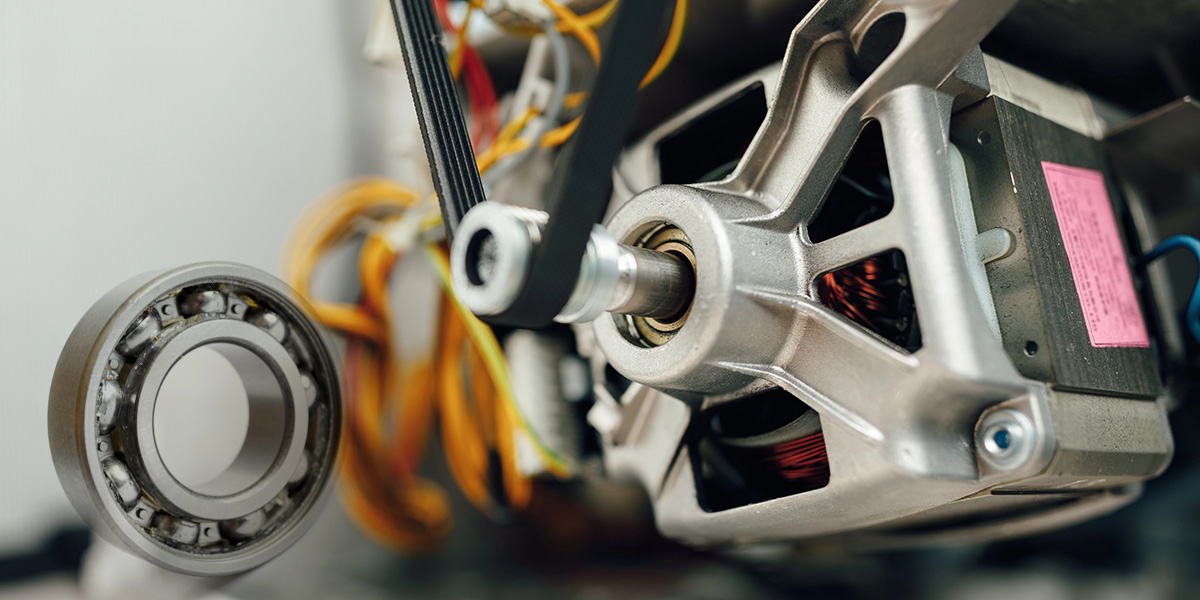
- Unusual Noises: Grinding or banging sounds could point to drum bearing problems or loose components. Unbalanced load and not properly installed washing machine could also be causing unexpected noises - when the appliance is not well levelled, it affects all internal parts, leading to wear and tear.
- Washing Machine Not Draining: More often than not this is the result of clogged drain hoses and filters or a malfunctioning pump. The issue could also be down to other damaged or malfunctioning parts such as the drive belt, overloaded washing machine or unbalance load.
- Unbalanced Loads: This can cause excessive vibration and could be caused suspension system problems, which in turn leads to pressure on all internal parts, resulting in excessive wear and consequent breakages.
- Water Not Filling Properly: Low water pressure, clogged hoses or filters, faulty inlet valve or malfunctioning control board and sensors - it could be any of these as well as electrical issues. Some easily fixed, other - more expensive to repair.
- Washing Machine Door Not Opening: The problem could be as minor as worn out door opening mechanism or broken door handle, or more serious as draining issues and the parts involved in the cycle being faulty or damaged. Malfunctioning control board or wiring could also be the culprits.
- Clothes Coming Out Soggy: Unbalanced load or drainage issues are usually what's causing the clothes to come out all soggy. Overloading the washing machine would also result in drenched laundry. Slow spin cycle might be another reason for this problem.
- Washing Machine Not Completing a Cycle: From drainage issues and faulty or malfunctioning internal parts and sensors to clogged hoses and filters, many issues could be causing your washing machine to stop mid-cycle. Electrical and wiring problems are other factors that should be considered. And, again - unbalanced load.
Cost of Washing Machine Repairs
Repair costs can vary depending on what the problem is, and how it is going to be fixed, the brand, and if any parts need to be replaced. On average, this is what you might expect:
- Minor repairs, such as replacing a door seal or motor brushes, would cost between £70 and £100.
- Moderate repairs, like installing a new pump, typically cost around £70 to £200-250.
- Major repairs, such as replacing the motor, can range from £250 to £390 or more.
As a general rule, repairs exceeding 50% of the washing machine's original price may not be worth it, especially if the appliance is old and would probably need further repairs soon, and because parts for old washing machines are not being produced anymore.
Factors to Consider
Age of the Washing Machine
When a good care has been taken, a washing machine is expected to last on average between 10 and 15 years. If your appliance is near the end of its lifespan, you may want to consider buying a new one as repairs may not be cost-effective.
Cost of Repairs vs. Replacement
Call a few companies for a quote, and compare the repair estimates with the cost of a new washing machine. A repair under £200 is often worth it, but still depends on how old the appliance is, and whether it would need a follow up work and part replacements. For costs higher than £300, consider buying a new washing machine, or have a specialist to inspect yours if it's relatively new, to give you a professional advice on what to do.
Frequency of Repairs
If your washing machine has had to be repaired a few times lately, and you feel like you know all the employees of your local kitchen repair company, it's time to consider a replacement.
Energy Efficiency
Older models washing machines use more water and energy. Replacing a nearly broken appliance with an energy saving model would reduce utility bills over time.
Availability of Replacement Parts
Finding parts for old or discontinued models is difficult and expensive. Buying a new washing machine would be not only more practical, but over time will prove more cost-effective.
Environmental Impact
Repairing your washing machine can be more environmentally friendly in some cases, as it reduces waste. However, if it breaks down often, buying a new one would most likely have a better impact on the environment.
When to Repair Your Washing Machine
Most of the time, it's well worth repairing your washing machine, but bear in mind that you should call a specialist as soon as there is a problem as it will only get worse over time.
- The Machine is Relatively New: If it's under five years old, timely repairs would be able to fix the problem.
- The Problem is Minor: Issues like a clogged drain or a broken belt are not expensive to repair.
- The Washing Machine Has an Extended Warranty: Most manufacturers or retailers offer extended warranties which cover repair costs.
- The Machine is a High-End Model: Premium brands like Miele, Bosch, or LG are often worth repairing. They have a longer lifespan because they use higher quality parts.
When to Replace Your Washing Machine
When wondering whether to replace your washing machine, you should take into consideration the following factors:
- How Old Your Washing Machine Is: Older machines are more likely to break and are less energy-efficient. If yours is over 10 years old, consider buying a new one.
- Repairs are Too Costly: If repairs are to cost more than 50% of the appliance's value, replacement is the better option.
- Frequent Breakdowns: If your washing machine has to be repaired often, it's a clear sign that it's old, or failing for other reasons.
- Energy Consumption is High: Although this might not be the only thing you base your decision on, it should be a factor when dwelling on whether to buy a new washing machine.
Tips for Reducing Washing Machine Repairs
If you'd like to extend the life of your washing machine and minimise repairs, make sure to take regular care of your appliance.
- Clean the Machine Regularly: Remove lint, detergent buildup, and debris from filters and dispensers.
- Check the Load Size: Don't overload the drum, this will strain the motor and suspension system.
- Use the Right Dose and Type of Detergent: Some detergents create excessive sudsing and residue which have an impact on the appliance's parts. Consider changing the one you are already using, and avoid overdosing.
- Inspect Hoses and Seals: Replace worn-out hoses and make sure the door seal is clean and in good condition.
- Run Maintenance Cycles: Once a month, use baking soda and vinegar or a detergent of your choice to deep-clean the washing machine to prevent limescale buildup and mould growth.
Conclusion
When it comes to deciding whether to repair or replace your washing machine, it's time to take into consideration several factors, including the machine's age, repair costs, and how often it breaks down. If repairs are minor and the machine is relatively new, fixing it is usually the best choice. However, if it's an older model, and you feel like you are searching washing machine repairs near me way more often than you'd like, buying a modern, energy-efficient appliance would be more cost-effective in the long run.