Is Replacing Washing Machine Bearings Cost-Effective?
Replacing bearings can be cost-effective if your washer is under 8 years old and in good condition. However, for older machines with multiple issues, replacement is often the better choice.
You'll know that you have a problem with your washing machine bearings if your appliance starts making an unusual noise - loud rumbling or grinding during the spin cycle, which is often a sign that the bearings are worn out. You may even start wondering whether the seemingly very serious issue calls for a new washing machine, or you can still save your current one. We have put together this article to help you understand how significant the issue is, and what to consider when making the final decision.
Final Verdict: Is It Worth It?
If your washer is under 7-8 years old, in generally good condition, and the bearings are the only issue that you have experienced so far, then yes - replacing the bearings can be worth it. However, if the machine is old, inefficient, or has multiple problems, investing in a new washer is often the smarter long-term decision.
But don't just take our word for it. Read on to find out how we have come to the above conclusion, combined with our many years of experience in repairing washing machines to back it up.
What Are Washing Machine Bearings?
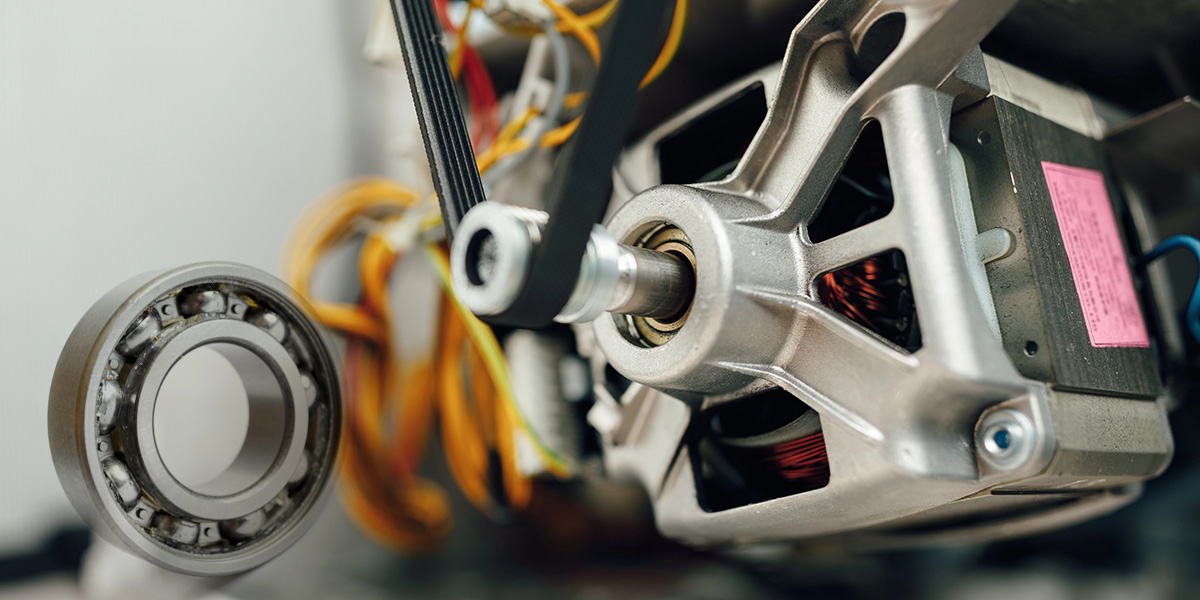
The bearings are small but extremely important components, which you'll find in the drum of your washing machine. They help the inner tub rotating during the washing and spin cycles. Although they are made of high-quality steel, moisture and age would eventually cause them to wear out or become damaged, however good care you take of your washing machine.
Common signs of worn-out bearings include:
- Loud banging, grinding, or rumbling noises when the washing machine is spinning
- The drum wobbling or feeling loose
- Water leaking from the back of the machine
- Burning smells - this is caused by friction
Why Do Bearings Wear Out?
Like any mechanical part, washing machine bearings would start failing at some point. The most common reasons for this include:
- Overloading the machine frequently
- Water or detergent leakage into the bearing area
- Age of the appliance (typically after 7-10 years)
- Irregular maintenance
Is It Worth Replacing Washing Machine Bearings?
There is no straightforward answer. The decision depends on several factors.
1. Cost of Repair vs. Cost of Replacement
Replacing washing machine bearings is a time-consuming job, and requires a professional washing machine repair technician. The cost could be anything between £70 and £400 or more, and would depend on your location and machine type. In some cases, especially with high-end or newer models, this cost might be justified, but if your machine is already 8-10 years old, it would be better to spend that money for a new, energy-efficient washer.
2. Machine's Overall Condition
If your washer is in otherwise good condition, and the bearings are the issue, replacing them could extend its life by several more years. But if other parts are also causing troubles, the repair might only be a temporary fix. Consult a washing machine repair technician, who'll be able to give you the best advice.
3. Availability of Parts
It will be easy to obtain components for some brands and models, especially the higher-end and new ones. However, for older and discontinued models it becomes difficult to impossible to find the necessary part, and it's also not cost-effective.
4. DIY or Professional Repair
You can buy DIY bearing replacement kit, but bear in mind that it's a complicated and complex job involving dismantling the entire machine, handling heavy parts, and ensuring water-tight seals. A small mistake can cause more damage or even electrical hazards.
We recommend contacting a certified washing machine repair specialist.
When Should You Replace the Whole Washing Machine Instead of the Bearings?
If you still haven't decided whether to only replace the bearings, or the whole washing machine, here are some clear signs that the entire appliance has to go:
- The machine is more than 10 years old
- Multiple parts are failing or showing signs of wear and tear
- The repair cost is more that 50% of a new machine's
- If you have decided on upgrading to a more energy-efficient model
When to Call Professional Washing Machine Repair Services
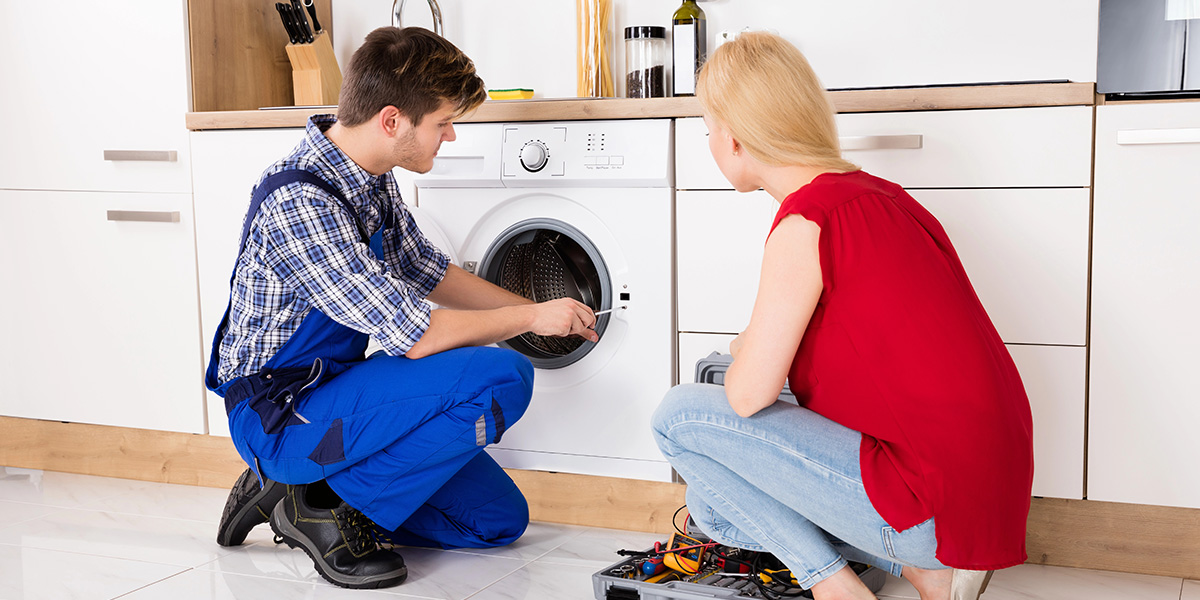
However tempting it might be to save money with DIY solutions, bear in mind that a professional technician is better placed to accurately diagnose whether bearing replacement is worth it, or indeed needed. They'll also guarantee that the job is done safely and correctly, often with warranty on parts and labour.
Why choose a professional repair service?
- Expert diagnosis and honest advice, backed by years of experience
- Access to genuine parts
- Safe and efficient repair process
- Peace of mind
Frequently Asked Questions (FAQ)
Q: How long do washing machine bearings last?
A: Usually 7-10 years, depending on usage and maintenance.
Q: Can I replace washing machine bearings myself?
A: Technically yes, but it's a complex repair best left to professionals, even if you have some experience with appliance repair.
Q: What happens if I ignore worn-out bearings?
A: It can cause damage to the drum or motor, which would lead to a more expensive repair, or even the need for a washing machine replacement.