What Are the Top 5 Signs My Dishwasher Needs Immediate Repair?
If your dishwasher isn't working properly, it may need immediate attention. Key signs include: dirty dishes after a wash, water leaks, unusual noises, drainage problems, or failure to start.
If your dishwasher isn't working properly, it may need immediate attention. Key signs include: dirty dishes after a wash, water leaks, unusual noises, drainage problems, or failure to start.
Common Warning Signs Your Dishwasher Is Failing
The dishwasher has become indispensable and is one of the most convenient appliances in any kitchen, it saves us time and the chore of washing the dishes. However, like any other household appliance, dishwashers can experience problems over time. Not paying timely attention to small issues can easily lead to expensive repairs or even a complete breakdown.
If you've noticed something unusual happening with your dishwasher, it might be time to call a repairs specialist. Here are the top five warning signs that your dishwasher needs immediate attention.
1. Dishes Are Still Dirty After a Full Wash Cycle
One of the most obvious signs that something is wrong with your dishwasher is when dishes come out dirty, greasy, or with food particles still stuck to them. This could be due to several issues:
- Clogged Spray Arms: When the spray arms are blocked by food debris or limescale, they won't work properly.
- Faulty Water Inlet Valve: The dishwasher might not be getting enough water to clean the dishes well.
- Worn-Out Wash Pump: A malfunctioning pump will not circulate water efficiently.
- Overloading: Overloading or blocking the spray arms with large dishes can prevent good water circulation.
- Low Water Temperature: If the water isn't hot enough (at least 49°C), it won't successfully break down grease and food residue.
- Dirty or Clogged Filter: A clogged filter doesn't allow water from draining properly, which means that food particles get back and stuck back to the dishes.
- Hard Water Buildup: Mineral deposits from hard water leave spots and film on dishes and glassware.
- Using the Wrong Detergent: Low-quality detergent or using a handwashing liquid may not dissolve properly, leaving dishes dirty.
- Not Using Rinse Aid: Rinse aid helps water slide easily from dishes, not allowing the mineral deposits to stick to them. If your glasses are coming out cloudy, and you dishes covered in residue, it's time to check the rinse aid compartment, or start using altogether.
- Broken or Worn Door Seal: If the gasket isn't sealing correctly, water pressure can be affected, and consequently - cleaning results.
What You Can Do:
- Check and clean the spray arms.
- Inspect the filter and remove any food debris.
- Run a cleaning cycle using a dishwasher cleaner or vinegar solution.
- Ensure dishes are loaded properly, allowing water to reach all of them.
- Make sure the water heater is set to at least 49°C.
- Use a rinse aid to help prevent hard water spots and improve drying.
- If the problem persists, call a dishwasher repair technician to inspect the inlet valve, pump, or other internal components, that might be causing he issue.
2. Water Leaks Around the Dishwasher
A leaking dishwasher is a sign of a serious problem, and could also lead to water damage in your kitchen. Some common causes include:
- Worn-Out Door Seal: If the rubber gasket around the door is cracked or loose, water can leak during the wash cycle.
- Clogged or Damaged Drain Hose: If the drain hose is blocked, water will back up and leak onto the floor.
- Faulty Float Switch: The float switch regulates the water levels. When this is not working correctly, the dishwasher will get overfilled and leak.
- Incorrect Detergent Being Used: Sometimes handwashing dish soap is being used instead of the specifically designed dishwasher detergent. As they work differently, with the handwashing liquid producing more suds, the dishwasher would leak as it cannot rinse the foam quickly enough.
- Loose Water Inlet Hose: A loose, cracked, or badly installed water inlet hose can cause water to leak.
- Dishwasher Incorrectly Installed: When the dishwasher hasn't been installed properly and is not level, water will eventually start spilling out.
- Damaged or Worn Pump Seal: The pump circulates water in the dishwasher. When its seal is worn or cracked, it will cause leaks at the bottom of the appliance.
- Cracked or Worn-Out Tub: It happens to dishwashers when they age, and leads to leaks.
What You Can Do:
- Inspect the door seal and clean it with a damp cloth. Replace if worn or damaged.
- Check the drain hose for twists, clogs, or damage.
- Always use dishwasher compatible detergent.
- If leaks persist, and for the ore serious problems listed above, contact a dishwasher repair technician to diagnose and fix the issue.
3. Unusual Noises
Dishwashers usually make a low humming or swishing sound when in use, but if you hear loud grinding, buzzing, or banging noises, something could be seriously wrong.
- Debris in the Pump or Spray Arms: Small food particles or utensils lodged in the pump or spray arms might lead to the dishwasher making grinding sounds.
- Incorrect Loading: The spray arms can hit dishes and utensils that haven't been loaded correctly, creating knocking or rattling noises.
- Worn-Out Wash Impeller: The wash impeller controls the pushing of water through the spray arms. If it's damaged, it might make unusual noises.
- Faulty Drain Pump: A failing drain pump would make loud buzzing or humming sounds, especially during the draining cycle.
- Loose or Misaligned Components: Screws, panels, or other internal parts can become loose over time.
- Water Hammer Effect: This is how the sudden change in water pressure that causes pipes to bang is called, and it creates a loud knocking sound.
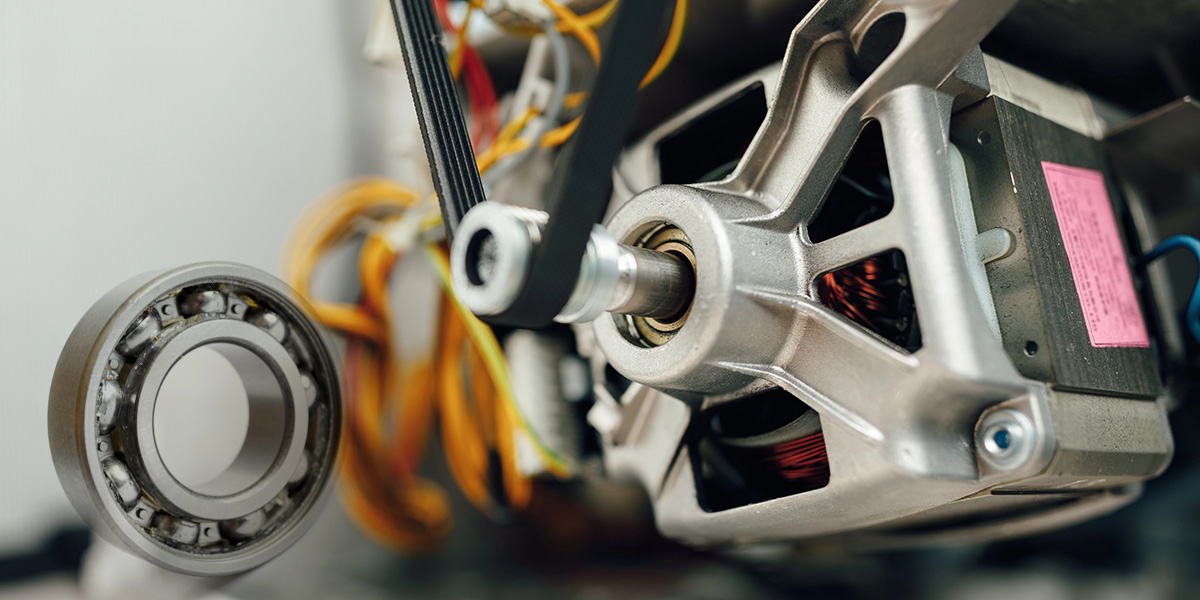
- Broken Motor Bearings: A failing motor or worn-out bearings would announce that there is a problem with loud noises.
What You Can Do:
- Remove and inspect the spray arms for obstructions. Clean and instal back.
- Make sure that dishes and utensils are properly loaded to prevent them from moving around.
- Check for loose parts like screws, racks, or panels and tighten them if needed.
- Run an empty cycle to see if the noise persists.
- The water hammer issues could be rectified by adjusting the water pressure.
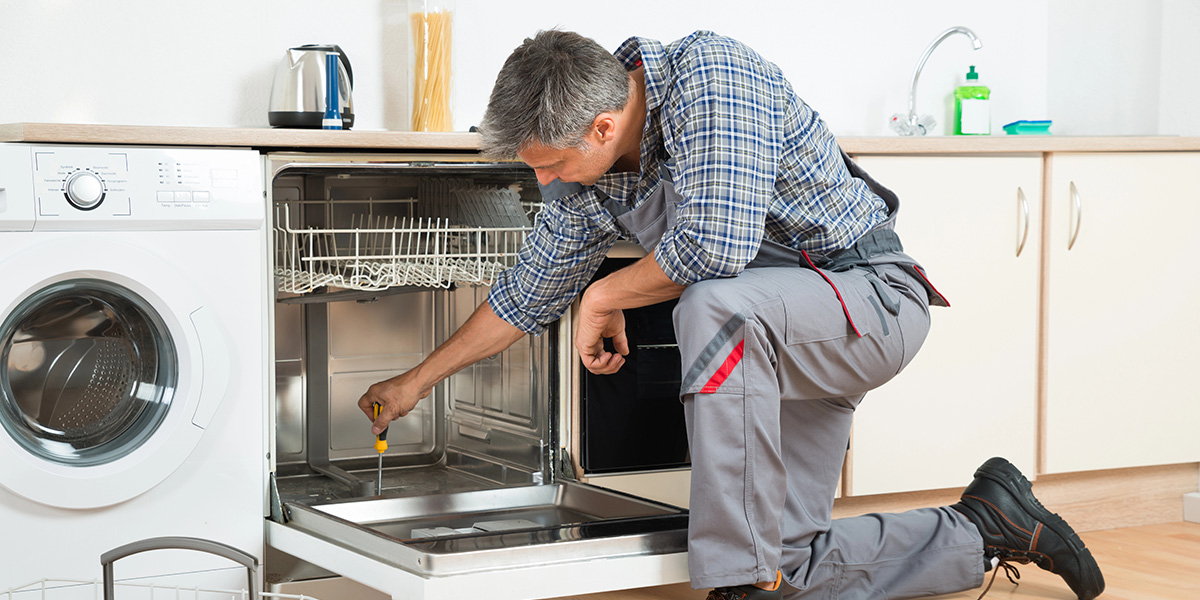
- If none of the issues you could check and correct has helped to stop the noises, contact a professional dishwasher technician for internal parts inspection, diagnosis and repairs.
4. The Dishwasher Doesn't Drain Properly
If there is water at the bottom of your dishwasher after a full cycle, this is a clear indication of drainage issues. Common causes include:
- Clogged Drain Filter: A filter blocked by food particles, grease or debris can prevent the dishwasher from draining properly.
- Blocked Drain Hose: A twisted or clogged hose prevents waste water from draining.
- Faulty Drain Pump: If the pump isn't working or is clogged, water won't be emptied from the dishwasher
- Incorrect Dishwasher Installation: If the drain hose hasn't been installed with a high loop or air gap, water can flow back into the dishwasher.
- Malfunctioning Check Valve: A faulty or stuck check valve in the drain hose can prevent water from draining.
What You Can Do:
- Clean the drain filter - remove and wash under running water to remove food particles and grease, using washing-up liquid and a soft brush.
- Check the drain hose for clogs and twists.
- Check the Check Valve - If your dishwasher has a check valve in the drain hose, make sure it is not stuck or damaged.
- If cleaning doesn't resolve the issue, and for the rest of the issues you'd have to contact a professional dishwasher repairs technician, for proper diagnosis and possibly part replacement.
5. The Dishwasher Won't Start or Stops Mid-Cycle
If your dishwasher won't start, stops suddenly, or doesn't complete a cycle, it could be indication for the following issues:
- Faulty or Damaged Door Latch: If the door isn't securely closed, the dishwasher won't start.
- Defective Door Switch: If the door switch isn't working correctly, the dishwasher might think the door is open and stop running.
- Malfunctioning Control Board: A faulty electronic control board can interrupt with or completely halt the dishwasher's cycles.
- Blown Thermal Fuse - The thermal fuse prevents overheating, and if it blows, the dishwasher will stop.
- Tripped Circuit Breaker or Blown Fuse: In both cases there'll be a power supply cut that would cause the dishwasher to stop mid-cycle.
- Faulty Timer: Some dishwashers have a timer that regulates the wash cycle. If it's malfunctioning, the appliance won't complete the cycle.
- Clogged or Faulty Water Inlet Valve: If the dishwasher isn't getting enough water, it will stop before completing the cycle.
- Overheating Motor: When the motor overheats, the dishwasher will shut down as a safety precaution.
- Drainage Issues: If the dishwasher can't drain properly, it will stop mid-cycle to prevent flooding.
- Stuck or Faulty Float Switch: The float switch monitors the water level, and when it's stuck or faulty, it sends incorrect readings to the control board. The dishwasher will then stop to prevent overflow.
What You Can Do:
- Make sure the door is well closed and not obstructed.
- Check the door switch with a multimeter to see if it works properly.
- Reset the dishwasher - unplug it for a few minutes and then plug it back in.
- For the rest of the issues, and if the problem persists, consult a specialist for professional diagnosis and repairs and part replacement.
When to Call a Professional
As you can see from this article, some small issues can be fixed at home, without the help of a professional. More serious and complex problems on the other side need the attention of a dishwasher repairs specialist. Knowing when it's time to call for help could save you money and frustration.