Why is My Washing Machine Not Spinning?
A washing machine would not spin because of overloading, an unbalanced load, or has faulty or damaged components such as drive belt, drain pump and motor, or electrical malfunctions. Check for blockages, and inspect key components like the drive belt and motor.
Washing Machine Not Spinning: Common Causes and Solutions
Whether it's an ongoing issue or a one-off problem a washing machine that doesn't spin is both frustrating and inconvenient when you have to deal with soaking wet laundry, wondering how to wring the water out of it so you can dry your clothes needed for the next day. There are various issues that could result in the washing machine refusing to spin, and the sooner you find out what's wrong, the better, as it will save you time, money, and the hassle of having to deal with wet laundry every time you run a washing cycle.
In this article we have covered the most common causes and practical solutions for fixing a washing machine that won't spin.
Step-by-Step Guide to Fixing a Washing Machine Spin Issue
Always follow safety precautions when troubleshooting, and seek professional help if needed.
1. Overloaded Washing Machine
Cause:
Overloading is one of the most common reasons for a washing machine not spinning properly. When there are too many clothes in the drum, the washer is unable to distribute weight evenly, and consequently it stops spinning to prevent damage.
Solution:
Reduce the load - remove some clothes, then redistributing the weight. Make sure not to overload the washing machine in future - there is a clear guidance on capacity for washing and drying, usually displayed at the front of the appliance.
2. Unbalanced Load
Cause:
An unbalanced load, especially with heavy items like towels or blankets, can prevent the washer from spinning. More common in top-loading washers, but also a problem frequently experienced with front loaders.
Solution:
Rearrange the clothes inside the drum for even distribution of weight, and run the spin cycle again. It might be a good idea to separate the clothes in two loads for spinning, this will ensure the washing machine isn't struggling. If this doesn't resolve the issue, then the cause of the problem is something else.
3. Broken or Worn-Out Drive Belt
Cause:
The drive belt in a washing machine connects the motor to the drum, helping it to spin. If the belt becomes loose, worn out, or breaks completely, it will prevent the washer from spinning.
Solution:
Unplug the machine and - using the manufacturer's manual, inspect the belt, or call a professional technician, if you are uncertain of how to do it. If it's worn, loose, or broken, it will need to be replaced.
4. Clogged or Faulty Drain Pump
Cause:
If the washing machine is not draining properly, it won't go into the spin cycle. The drain pump might be clogged with lint, small clothing items, or debris, and prevent the machine from functioning correctly.
Solution:
Check the drain pump for blockages - you need to remove the filter and clean it. Run a short spin cycle to see if the problem is resolved. If the issue persists after cleaning, the pump could be damaged or broken, and may need to be replaced by a professional repair technician.
5. Drive Motor or Motor Control Board Failure
Cause:
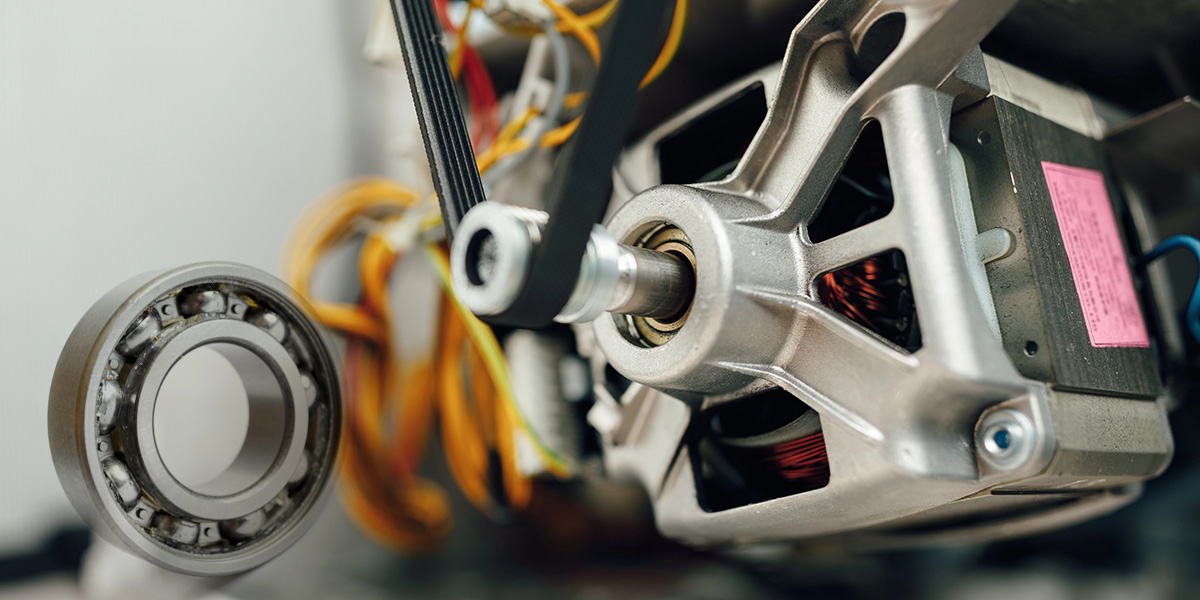
The motor and its dedicated motor control board are crucial for spinning the drum. The motor control board receives signals from the main washing machine control board, and - apart from activating the drive motor, it also controls its speed and direction of spinning. If either of them is faulty, the washing machine may not spin at all or may stop mid-cycle.
Solution:
If you've already done some troubleshooting, but the washing machine still doesn't spin, and makes strange noises, it's time to check to motor and its control board. We would recommend that a professional technician diagnoses and repairs the issue.
6. Worn-Out Shock Absorbers or Suspension Rods (Springs)
Cause:
The washing machine's shock absorbers (front-loaders) and suspension rods (top-loaders) help maintain the drum stable during the spin cycle. If they wear out or break down, the machine will struggle to spin.
Solution:
Inspect the shock absorbers/suspension springs for damages. If worn out, they will need to be replaced.
7. Faulty Door Lock Mechanism (Front-Loading Machines)
Cause:
Front-loading washing machines have a safety mechanism that prevents spinning if the door is not securely locked. A faulty door lock sensor could cause the machine to stop spinning.
Solution:
Inspect the door latch and replace it if necessary.
8. Faulty Lid Switch (Top-Loading Machines)
Cause:
A faulty lid switch in top loaders could prevent the washing machine from spinning. The lid switch is a safety mechanism that stops the spin cycle if the lid is open, or - in the case of malfunctioning, falsely detects that the lid is open.
Solution:
Check if the lid switch is working properly by closing the lid and listening for a clicking sound. If there is no click, the switch might be faulty and needs to be replaced.
9. Malfunctioning Control Board or Timer
Cause:
The control board manages all the functions of the washing machine, including the timer, which measures the duration of the wash cycle. If either of them is faulty, the machine will not receive a signal to start spinning.
Solution:
If you suspect that they are malfunctioning, you'll need to have the control board and timer inspected. Consult a professional repair technician for diagnosis and replacement.
10. Broken or Worn-Out Agitator Dogs (Top-Load Washers Only)
Cause:
Agitator dogs in top-loading washing machines help to rotate the drum during the spin cycle. Over time they wear out, causing the agitator to stop spinning.
Solution:
Remove the agitator cap and check the agitator dogs for wear or breakage. If damaged, replace them with a new set, following the manufacturer's guidelines, or call a professional repair technician.
11. Faulty Drive Pulley
Cause:
The drive pulley connects the motor to the drum, transmitting power between the two in order for the drum to rotate. When it becomes loose, cracked, or broken, the washing machine won't spin.
Solution:
Disconnect the machine from power, and open the back panel to inspect the drive pulley. If damaged or worn-out, it needs to be replaced.
12. Malfunctioning Water Level Sensor
Cause:
The pressure switch (or water level sensor) in washing machines detects how much water is in the drum. If the sensor is faulty, it will not detect when the water has drained, and the machine won't spin.
Solution:
Locate the pressure switch hose using the manufacturer's manual, and check for blockages. If the hose is clear, test the switch with a multimeter. If faulty, replace it with a compatible one.
13. Transmission Failure
Cause:
The transmission in a washing machine helps transition between wash and spin cycles. If the transmission is worn or damaged, the drum won't spin properly.
Solution:
Listen for grinding noises or check for leaks under the washing machine - either of these could be a sign for a faulty transmission. Call a professional repairman to carry out the replacement.
14. Faulty Wiring or Loose Connections
Cause:
Loose wires, damaged connectors, or faulty electrical components can affect the spin cycle.
Solution:
If you have the required knowledge and skills, check for burnt or disconnected wires, otherwise it's best to call a specialist.
15. Malfunctioning Motor Coupling
Cause:
In many washing machines, the motor coupling connects the motor to the transmission. If it wears out or breaks down, the drum won't spin.
Solution:
If the motor coupling is worn-out or broken, it needs to be replaced. Call a professional repair technician for diagnosis and replacement.
When to Call a Professional for Washing Machine Repairs
If your washing machine is still not spinning after you have tried the above solutions you could carry yourself, it is time to call in a professional help. Signs that you need a repair technician include:
- Persistent failure to spin after repeated troubleshooting.
- Electrical issues, such as the machine not turning on, tripping circuit breakers or burning smell.
- Unusual noises or leaks coming from the washing machine.
- Motor or control board malfunctioning.
How to Find Reliable Washing Machine Repair Services
If you need a professional washing machine repair service, follow these steps to find a trustworthy company or trader:
- Check Online Reviews: Look for high-rated repair services on platforms like Google, TrustPilot, Reviews.io or Yelp.
- Look for Certified Technician: Ensure the technician is certified to repair your washing machine brand.
- Ask for Recommendations: Friends and family could help suggest a reliable repair service they have used in the past.
- Request a Quote: Get an estimate before committing to repairs to avoid hidden costs. Many companies and traders offer free or low-cost consultations.
We hope this article and the practical solutions we offered will help you get your washing machine spinning again in no time. Make sure to call a professional technician whenever in doubt - yours and your household safety should always be a priority.