What Are the Most Common Washing Machine Problems?
Washing machines experience many different issues, such as failure to start, drainage problems, excessive noise, power supply and clogged hoses and filters. DIY fixes include resetting the washer, cleaning filters, and rebalancing loads, but serious electrical or mechanical issues require professional repair.
The washing machine is an irreplaceable feature in most households, but despite the latest innovations and improvements, like all appliances, it experiences problems or breaks down from time to time.
While some issues are easy to fix on your own, others require a professional expertise. In this article we’ll analyse common washing machine problems, which of them you can fix yourself even with little knowledge, and when it’s the best time to call in a professional.
Safety Precautions
- Unplug the Washing Machine: Always disconnect the appliance from the power supply before inspecting or repairing it to avoid electrical shocks.
- Turn Off Water Supply: Shut off the water valves connected to the washing machine to prevent accidental flooding or leaks during troubleshooting.
- Wear Protective Gear: Use gloves and safety goggles to protect yourself from sharp edges, debris, or chemical cleaning agents.
- Handle Electrical Components Carefully: Avoid touching electrical parts or wires unless you're experienced in electrical repairs. If necessary, consult a professional.
- Inspect the Area for Water Spills: Ensure the area around the washing machine is dry to prevent slipping or accidental electrocution.
- Use Proper Tools: Always use the correct tools for repairs to avoid damaging the machine or injuring yourself.
- Avoid Overexertion: Be cautious when moving or tilting the washing machine, as it can be heavy and cause back strain or injury.
- Read the Manufacturer’s Manual: Refer to the user manual for specific instructions and warnings related to your washing machine model.
- Check for Sharp Objects: When cleaning filters, hoses, or traps, watch out for sharp objects like pins or broken glass.
- Don’t Override Safety Features: Avoid tampering with built-in safety mechanisms like child locks or lid switches, as they are designed to prevent accidents.
- Keep Children and Pets Away: Ensure children and pets are not nearby when inspecting or repairing the washing machine to avoid unintended injuries.
Common Washing Machine Problems: When to DIY and When to Call a Professional
1.Washing Machine Won’t Start
This could be a simple issue like a loose plug, but could also indicate a more serious problem like an electrical fault.
Possible Causes and Fixes:
- Power supply issues: First, check if the machine is properly plugged in and if the circuit breaker hasn’t tripped. If you suspect that this particular outlet isn’t working, try plugging another appliance into it to see if this is the problem.
- Faulty door latch: Many machines will not start if the door isn’t securely closed. Make sure the door is properly closed, the latch’s sensor is clean, and latch is in full working order.
- Control settings: Check the machine’s settings, and see if you’ve pressed the start button properly.
- Damaged or malfunctioning start button: If the start button or dial is damaged or otherwise malfunctioning, it may not respond when pressed.
- Delayed start setting: Some washing machines have an integrated "delay start", which you can use to set the machine to start later. If you have accidentally turned it on, the washer won't start immediately.
- Malfunctioning control board and timer: The machine’s control board is responsible for controlling the other components. If it’s faulty, the washer won’t receive the command to start. The same goes for the washing machine’s timer, which is used in older appliances.
- Child lock: The washing machine won’t start if you’ve accidentally activated the child’s lock. Consult the manufacturer’s manual on how to disable it.
- Blown Fuse or Faulty Wiring: A blown fuse or loose wiring inside the washing machine could prevent it from working.
- Faulty water inlet valve or not enough water: Some washing machines have been designed not to start if there is a water supply shortage. If there isn’t enough water or the inlet valve is malfunctioning, the washer won’t begin a cycle.
- Motor overheating: When the washer’s motor overheats, the appliance might stop working temporarily as a precaution. Let it cool for 30 minutes, and start again.
Manufacturers recommend that there is a half an hour gap between cycles to allow the washing machine to cool down. - Drainage issues: If the washing machine detects that there’s still water left in the drum from a previous cycle, it won’t start.
DIY Fix: Most of the above issues could be easily fixed without the need of a professional technician. Also, resetting the machine by unplugging it for a few minutes can sometimes resolve the problem.
When to Call a Professional: If none of the suggested fixes work, the problem could be with the internal wiring or the control board, for which you’ll need professional help.
2. Washing Machine Not Draining
If your washing machine isn’t draining properly, water will remain in the drum after a wash cycle, and your clothes will come out all wet.

Possible Causes and Fixes:
- Clogged drain hose or filter: Small items, debris or lint can block the drain hose and filter, and prevent proper drainage. Inspect these parts to see if they are the ones causing the issue. Keep in mind that if the drain hose is clean, the problem could be with the main plumbing.
- Faulty drain pump: The drain pump could be malfunctioning, preventing the water from being released out of the machine.
- Twisted or bent hose: Check that the drain hose isn’t bent or twisted as this restricts the water flow.
- Overloaded washer: Overloading the washing machine leads to clothes trapping water and preventing it from draining. Make sure not to load too many items.
- Obstructed drain pump impeller: The drain pump impeller is the part that moves water out of the washer. From time to time it gets blocked by debris, small items like socks, or lint. When something is wrong with the impeller, the pump won’t be able to drain water efficiently.
- Broken or worn-out belt: In some washing machines the motor is connected to the pump by a belt, and when it’s broken or worn out, the pump is unable to function, preventing the water from draining. This applies mostly to older washing machine models.
- Clogged drain trap: Many washing machines have a drain trap (also called coin trap) where small objects are being caught before they can enter the drain pump. When it’s full of debris, coins, or other small items, it will block the water draining out of the washer. The solution is to clean the trap regularly.
- Faulty water level sensor: If faulty or malfunctioning, the sensor won’t be able to detect that there is still water in the drum, and the draining cycle won’t start.
- Twisted or bent internal drain hoses: If this is the issue, water won’t be able to flow through the system, and out of the washer.
- Control board or timer malfunction: In newer models, the control board manages the drainage process. When malfunctioning, it is not sending the correct signal to the drain pump to start the draining cycle. In older models, a faulty timer might be the culprit, as it controls when the draining should start.
- Unbalanced loads, worn-out bearings, or suspension issues: These could lead to the washing machine not being able to spin properly, leaving water in the drum.
- Faulty lid switch (top-load washers): The lid switch prevents the machine from operating with the lid open. If it’s faulty, it may stop the machine mid-cycle, unable to drain properly.
DIY Fix: Clear any blockages in the hose, filter, and trap, and regularly clean these components to prevent future drainage issues. Check and smooth out twisted or bent hoses to allow undisrupted water flow. Make sure not to overload the washing machine.
When to Call a Professional: If the above fixes don’t work, and the drainage problem persists, the pump or another internal component might need replacing or repair, which requires a professional help.
3. Excessive Vibration or Noise
Although washing machines are expected to make some noise and movement, noises should not be loud, and your appliance should not be bouncing around.

Possible Causes and Fixes:
- Unbalanced load: Overloading the machine or washing bulky items such as large towels or blankets can case excessive vibration. Try smaller loads.
- Uneven machine: Make sure that the washing machine is placed on a level surface, and is well levelled when installed. Check and adjust the appliance’s feet if necessary.
- Loose or damaged parts: Sometimes bolts become loose, or other internal components get damaged, which can cause unusual noises.
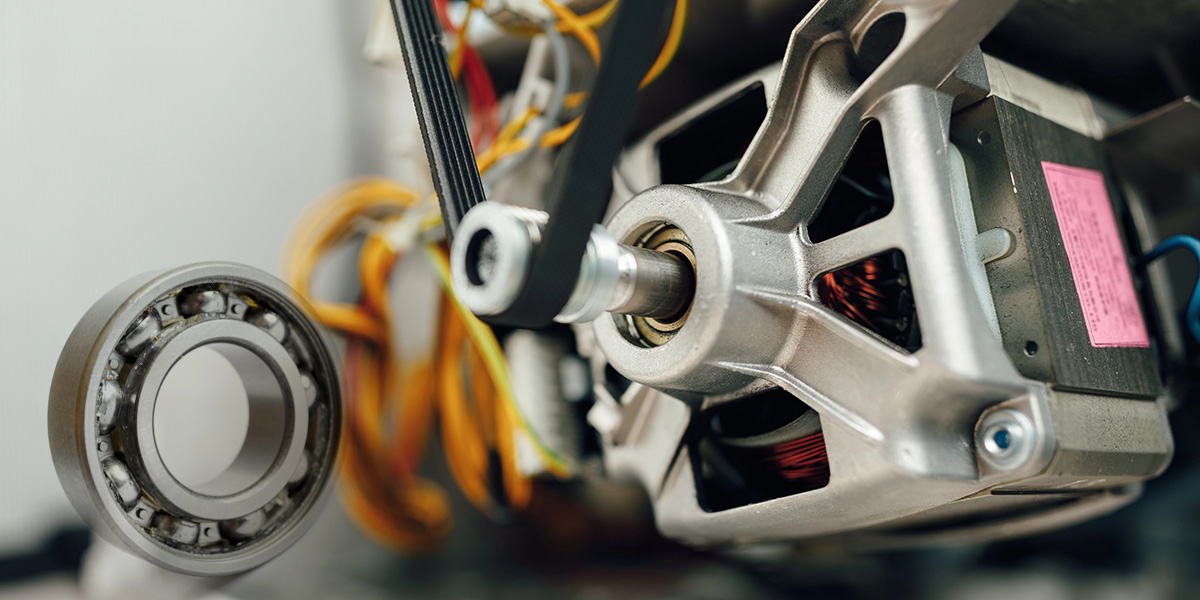
- Worn drum bearings and suspension rods: Over time, the machine's bearings and suspension parts would eventually wear out, leading to increased noise and vibration even if the machine is well levelled and not overloaded.
- Small items in the drum or pump: Coins, buttons, and other small items left in pockets can get stuck in the drum or drain pump, and create a loud noise when the drum spins. If the issue is not resolved, over time they can cause imbalance, and also damage the drum or other internal components.
- Faulty or worn-out drive belt: The drive belt connects the motor to the drum. If it’s worn or loose, it can slip, which leads to excessive vibration and noise.
- Overloaded or worn-out shock absorbers: Also called shock dampeners, these control the movement of the drum during the spin cycle. When worn out, they are unable to do their work, and this causes loud banging and knocking sounds, mainly during the spin cycle.
- Imbalanced or worn-out drum spider (support arms): The drum spider (also known as support arms) holds the drum in place. Over time the arms wear out, causing the drum to become unbalanced, and create loud thumping or banging noise sounds, especially during the spin cycle.
- Defective drive pulley: The drive pulley helps the drum to spin. When damaged or worn out, it creates a grinding noise during spin cycle. This is usually an indication that it needs to be replaced.
- Loose or damaged counterweights: Counterweights control vibration by balancing the load. If they are loose or damaged, the washer would vibrate excessively, producing loud knocking or banging noises, mostly during the spin cycle.
- Faulty or misaligned drum seal: When the drum seal is worn or misaligned, it leads to friction between the drum and other parts of the washing machine, causing loud noise. If the problem is not taken care of, it would damage the drum or other parts.
- Worn or damaged bearings in the motor: Over time, the motor bearings would eventually wear out, and make loud whining or grinding sound, mostly during the spin cycle.
- Faulty motor coupling: In top-loaded washing machines, the motor coupling connects the motor to the drum. If it’s worn out, the motor and drum would become misaligned, which leads to the washer producing loud noises.
DIY Fix: Some of the issues are easily fixed – make sure to not overload the machine. You can level the washer without the need of a technician, and also clear out small foreign objects.
When to Call a Professional: If balancing the load, adjusting the levelling, and taking out all small objects doesn’t help, the problem is more complex and require a professional diagnose and repair.
4. Water Leaks
Water leaks are not only frustrating but can cause serious damage to your home if they are not dealt with quickly.

Possible Causes and Fixes:
- Loose or damaged hoses: Check the inlet and drain hoses for leaks, cracks, or loose connections. Tighten any connections and replace hoses if you find signs of damage.
- Damaged door seal: Check the rubber door seal for tears or cracks. If this is the problem, replace the door seal, otherwise water will continue to leak during cycles.
- Use of too much detergent: Using too much detergent leads to excessive foam formation, which may cause the leaks.
- Faulty water inlet valve: The water inlet valve controls the flow of water into the washing machine. If it starts malfunctioning, it can lead to water dripping inside the machine even when it's not in use. This will eventually cause leaks, especially during the filling cycle.
- Cracked or damaged drum: This is a very rare, but serious problem. If a crack appears in the outer drum (which holds the water), it will leak during washing or spin cycle.
- Leaking detergent dispenser: Sometimes the detergent dispenser drawer can become clogged with detergent residue or fabric softener, causing water to overflow. Leaks coming from the detergent drawer could also happen if it’s not closed properly, or the water flow in the dispensing process is too strong.
- Blocked or clogged drain pump filter: The drain pump filter traps lint, debris, and small items before the water is pumped out. When this filter is clogged, water would back up and leak from the machine during the draining process.
- Faulty door latch or interlock: Malfunctioning of the door latch or interlock mechanism causes the door to not close well, resulting in water leaks during the wash cycle.
- Overfilled washing machine: If the washing machine's water level sensor malfunctions, or for some reason the appliance is overfilled manually, it will lead to water leakages through the door or other parts of the machine.
- Leaky internal seals or gaskets: The washing machine has internal seals and gaskets that keep water from leaking through the connections between parts - like the drum and the motor for instance. If these seals are worn, cracked, or loose, internal leaks will appear, and will eventually find their way out of the washer.
- Leaking pressure switch hose: The pressure switch hose controls the water level inside the washing machine. If it becomes loose or damaged, it may leak water inside the machine or not allow the machine to fill up or drain properly.
- Improper washing machine installation: If the washing machine has not been installed properly, especially if not levelled well, it can cause water to pool inside and leak out during cycles. This can also put pressure on the other parts, increasing the probability of leaks.
DIY Fix: You can tighten or replace hoses, level the washer, clean the door seal, and clean the filters to try and solve the problem. It’s also easy to make sure you are not overloading the washing machine, and always use the recommended amount of detergent to avoid blockages leading to leaks.
When to Call a Professional: If you have followed the above recommendations, but the source of the leak is still unclear, or if the problem persists, the problem would most likely be caused by faulty internal parts, and in this case it’s best to call in a professional technician.
5. Washing Machine Smells Bad
If your washing machine smells, chances are your clothes will have an unpleasant odour too.

Possible Causes and Fixes:
- Mould and mildew growth: Water residue in washing machines promote the growth of bacteria.
- Dirty drum or detergent residue: Detergent and fabric softener residue in the detergent drawer, drum, door seal, and drainage system cause foul odours.
- Blocked drain pipe, clogged or dirty hoses and filters: Small objects such as coins, buttons, hair, lint, and other debris can block the washing machine’s drain pipe, hoses and filters. Water doesn’t drain properly, which leads to bad smells.
- Water in the drum: When your washing machine doesn’t drain properly, water remains in the drum, causing a bad odour.
- Limescale buildup: In areas with hard water limescale deposits trap dirt and detergent residue, leading to unpleasant smell.
- Bacteria growth in the drum: Bacteria can grow in the washing machine’s drum, especially if you use low temperature cycles most of the time.
DIY Fix: Run a hot water cycle with vinegar or a specially developed washing machine cleaner. Make sure to do a deep clean every month, or as per manufacturer’s instructions. Wipe the door seal and leave the door open after each use to let the drum dry. Clean filters and drain pipes on a regular basis.
When to Call a Professional: If odours persist after cleaning, there may be mould or limescale buildups in hard-to-reach areas. A professional deep clean may be beneficial. Water remaining in the drum indicates a more serious problem that only a certified technician would be able to resolve.
6. Water Not Filling Properly
When your washing machine isn’t filled with sufficient amount of water, it won’t clean the clothes effectively.

Possible Causes and Fixes:
- Clogged or twisted hoses: Check the water inlet hoses for blockages or twists restricting the water flow.
- Faulty water inlet valve: If something is wrong with the inlet valve, it will probably not open to let water in the washing machine.
- Low water pressure: If water pressure to your home is low, it is very likely affecting the flow of water to your washing machine.
- Faulty water level sensor (pressure switch): If the pressure switch is malfunctioning or blocked by debris, it won’t be able to perform its job, which is to detect water levels, and will incorrectly stop the machine from filling the drum with water, even if it’s not sufficiently full.
- Blocked or faulty inlet screen filters: Most washing machines come with inlet screen filters on their water supply hoses. Their purpose is to prevent debris from entering the machine. When these filters are clogged with dirt or limescale buildups, they restrict water flow, and the washer won’t be filled up with sufficient amount of water.
- Twisted internal water hoses: The internal water hoses direct the water into the drum. If these are twisted or damaged, the machine may not be able to fill with water correctly.
- Malfunctioning control board or timer: In modern washing machines, the control board monitors water flow, while in older models there is a timer that controls the duration and sequence of each cycle. If these parts are malfunctioning, the inlet valve may not open or it could stop filling mid-cycle, even if there is not enough water.
- Lid switch or door lock issues: Both components have the same function – to make sure the washing machines are properly locked during a wash - for top-load washing machines, and front-load washers respectively. If they are not functioning correctly, the machine won’t fill with water.
- Overloaded or unbalanced drum: If the drum is overloaded or becomes unbalanced during a wash, the machine may not fill with the sufficient amount of water. Water distribution inside the drum would also be affected, which could cause the machine to stop or limit water intake.
- Faulty temperature selector switch: Some washing machines allow users to select the temperature of the incoming water. If the temperature selector switch is faulty, it will very likely not allow water with the incorrect temperature to enter, preventing the machine from filling up.
- Problem with the float switch: Some washing machines have a float switch that monitors the water level and prevents overfilling. If the float switch is malfunctioning, it will send a wrong signal that the drum is full, stopping or limiting water intake.
- Electrical issues: If there’s an issue with the electrical supply to the control board, sensors, or valves, which may be caused by a blown fuse or loose wiring, the machine may not fill with enough water.
- Water supply valve not fully open: When the main water supply valve to the washing machine is partially closed or obstructed, it restricts the water flow.
DIY Fix: Inspect all parts that you have access to, clean or straighten the hoses. Clean the filters and the other components you can reach, and ensure the water supply is fully turned on.
When to Call a Professional: If you have tried the suggested fixes, and the problem persists, the best thing would be to call a professional who will know how to diagnose any internal issues, and repair or replace the faulty parts.

Repairs4U provides professional same or next day washing machine repairs services across all areas in London. Please call us on +44 20 4634 7734 for assistance.
7. Washing Machine Door Not Opening
If your washing machine won’t open after the cycle has finished, there are a few things that might’ve gone wrong.
Possible Causes and Fixes:
- Cycle still running or delayed lock release: This is not really a problem to worry about, some machines have been programmed to release the lock a few minutes after the cycle finishes. Check the washer’s manual to confirm. If you suspect that the lock release is malfunctioning, unplug the washer or turn the power off for a few minutes – this might help to reset the lock mechanism.
- Water in the drum: The door of your washing machine will not be released if there’s still water left in the drum. This indicates a serious problem most of the times. Some washers have a Drain program you can use, but for those who don’t, you have to drain the water manually using the emergency drain hose.
- Faulty door handle: The door handle could be broken or malfunctioning, preventing the door from opening. Also, If the door lock is damaged or faulty, the washing machine’s door won’t open even after the cycle has been completed, and this could be down to either a physical damage or an electrical fault.
- Overheating of locking mechanism: Sometimes the door lock mechanism overheats, and the door will stay locked until it cools down. Wait for a few minutes and try again.
- Blocked door lock sensors: These sensors are easily blocked by lint, fluff, debris, or detergent buildup. As a precaution, the door will remain locked. If that’s the case, a good clean will resolve the issue.
- Electrical or wiring issues: Short circuit or loose wiring inside the washing machine can cause the door to remain locked. This problem applies to washers with electronic door locks.
- Child lock feature engaged: Some washing machines have a child lock feature that keeps the door locked even after a cycle has finished. Check if you have accidentally activated it. You may need to consult the manufacturer’s manual on how to deactivate it.
- Malfunctioning control board or timer: Control boards in the modern washers, and timers in the old models command the cycles’ sequences. If they are faulty, they may not recognise when the washing is ready, and send a release door signal.
- Overloading: If the washing machine is overloaded, it may cause the drum to become off-balanced, and the clothes might put pressure on the door and the lock mechanism, preventing it from unlocking.
- Faulty water level sensor: The water level sensor monitors the amount of water in the drum. If it’s malfunctioning, it might falsely detect that there is still water in the machine after a full cycle has finished, and will prevent the door from unlocking.
- Broken door latch spring: When the door latch spring, which helps the door mechanism release, is broken or worn out, the door won’t open. The only solution is to replace it.
DIY Fix: Wait a few minutes after the cycle ends to let cool down. Resetting the machine can also help release the lock. You can manually drain the water, if that is the problem. Deactivate the child lock if it has accidentally been turned on, and clean the lock sensors. Make sure not to overload the washing machine.
When to Call a Professional: If the door still won’t open, it’s likely that there is a more serious problem with the lock mechanism or the electronic controls, and also with other internal components. A professional can replace the faulty door lock or diagnose any underlying electrical issues that may be causing the problem.
8. Clothes Coming Out Too Wet
If your clothes are too wet at the end of a wash, the spin cycle may not be working properly, or there is a drainage problem.
Possible Causes and Fixes:
- Unbalanced load: Overloading or unevenly distributing items can prevent the machine from spinning properly, resulting in soggy clothes.
- Faulty or slow spin cycle: If the machine’s spin cycle isn’t working properly or it spins too slowly, it will fail to extract the water from the clothes. This issue indicates a deeper mechanical or electrical problem such as malfunctioning motor. It might also be down to the spin setting – for example, when it has been set too low for a load that requires faster spin.
- Clogged or dirty drain pump filter: When the drain pump filter is clogged or dirty, it prevents the water from draining properly, and the clothes will come out soggy even after a spin cycle.
- Excessive detergent use: Too much detergent creates excess foam. If the washer has to deal with too much of it, the spin cycle will be affected.
- Loose or worn drive belt: A worn or loose drive belt will affect the spin cycle in washers with belt-driven drums, and water won’t be efficiently extracted from the clothes.
- Faulty shock absorbers: Worn or damaged shock absorbers (also called suspension springs) can prevent the washer from spinning properly. When the drum moves excessively during the spin cycle, the machine could stop or reduce the spin speed, resulting in soggy clothes.
- Faulty lid switch: In top-load washers, a faulty lid switch can cause the machine to fail to spin or stop in the middle of the spinning cycle, leaving clothes wet.
- Blocked or twisted drain hose: If the drain hose is somehow blocked, water will not drain quickly enough during the cycle. Some water will remain in the drum by the time the spin cycle finishes, and the clothes will come out wet.
- Faulty water pump: A faulty water pump, even if it’s still partially functioning, can prevent water from being pumped out efficiently, leaving clothes wet at the end of the cycle.
- Malfunctioning water level sensor: A malfunctioning water level sensor (also called pressure switch) can miscalculate the amount of water in the drum, and will prevent the machine from completing a proper spin cycle, leaving clothes too wet.
- Clothes too absorbent: Some fabrics, like towels or heavy blankets, are more absorbent and retain water more than others. If the spin speed is not appropriate for this kind of fabrics, the clothes may come out wetter than usual.
DIY Fix: Try not to overload the washing machine, and always use the right amount of detergent and fabric conditioner. Clean the filters and the hose.
When to Call a Professional: If the above suggestions don’t rectify the issue, it’s best to call a professional who’ll be able to diagnose and resolve the problem, replacing faulty parts, if necessary.
9. Washing Machine Stops Mid-Cycle
If your washing machine stops unexpectedly during a wash, it could indicate a malfunction.
Possible Causes and Fixes:
- Water supply issues: If the water supply is insufficient, the washer may stop mid-cycle. This might be due to faulty water inlet valve, low water pressure, or a blockage in the water inlet hoses, preventing the machine from filling up with enough water.
- Faulty control board or timer: The control board manages all the operations of the washer, and if it malfunctions, the machine may stop mid-cycle. In older models, a faulty timer can lead to the machine being unable to continue the cycle.
- Unbalanced load: Modern washers have sensors that detect imbalance, and may stop mid-cycle as a safety precaution.
- Faulty water level sensor: The water level sensor (or pressure switch) monitors the level of water in the drum. If it malfunctions, it will send faulty readings to the machine, which then will stop mid-cycle for safety reasons.
- Blocked or clogged detergent dispenser: If the detergent dispenser is clogged or blocked, the machine might pause mid-cycle, until the detergent is dispensed.
- Faulty temperature sensor or thermostat: If the temperature sensor or thermostat in the washing machine is malfunctioning, the machine might pause as it is unable to regulate the temperature.
- Issues with spin cycle components: A faulty motor coupling, drive belt, or transmission can lead to the washing machine pausing or halting the cycle altogether to avoid damage in case the spin causes excessive and uncontrollable vibrations.
- Clogged drain pump filter: When the drain pump filter is clogged with debris or lint, the drainage is affected, which may cause the washer to stop mid-cycle.
- Too much detergent: Using too much or the wrong type of detergent can create excess foam, preventing the machine from properly spinning and draining, and the appliance might pause or stop a result.
- Faulty internal wiring: Loose or damaged internal wiring can cause the washing machine to lose power. As a result, it will stop mid-cycle as various parts are affected, such as the control board, motor, or sensors.
- Electronic or software malfunctions: Most modern washing machines use complex electronics and software to manage their cycles. A software glitch or a faulty electronic component can easily interrupt the washing machine’s cycle, causing it to stop or pause.
- Power issues: A power surge or circuit breaker trips may have interrupted the cycle, causing the washing machine to suddenly stop.
- Overheating motor: Some washing machines stop mid-cycle if the motor overheats, which could be a sign of overuse or internal wear.
- Drainage issues: If the washer can’t drain water, it may pause the cycle. This might be due to a several reasons, some of which are blocked or twisted hoses, clogged or dirty filters, faulty water sensors or drain pump.
DIY Fix: You can try and resolve the issue by rebalancing the load, cleaning the detergent dispenser, drain pump filters, or water inlet hose, and make sure that you are using the correct detergent.
When to Call a Professional: For more complex issues like faulty sensors, control board, wiring, or electronic malfunctions, professional help is recommended to prevent further damage.
10. Washer Making a Clicking or Grinding Noise
Unusual noises during a cycle can indicate mechanical or foreign object issues.
Possible Causes and Fixes:
- Foreign objects: Coins, keys, or buttons left in pockets can get stuck in the drum or pump, causing strange sounds.
- Worn drum bearings: Over time, the bearings in the drum can wear down and cause a grinding noise.
- Damaged or worn drive belt: A damaged or loose drive belt can create a clicking or grinding sound as it slips or wears against the drum or motor.
- Faulty motor coupling: In some washers, especially the top-loaders, the motor coupling connects the motor to the drum. When worn or damaged, it can create a grinding noise because the motor struggles to turn the drum.
- Worn or broken drive pulley: If worn or damaged, the drive pulley will struggle to move the drum, and will complain by making a grinding or clicking noise.
- Damaged or bent drum spider (support arms): The support arms hold the drum in place. If they becomes corroded, cracked, or bent, the drum will start spinning unevenly as a result, and make grinding and scraping noises when moving.
- Malfunctioning pump: When debris gets stuck in the pump or the impeller is damaged, it can produce grinding or clicking noises when the pump is running.
- Worn-out shock absorbers: The shock absorbers support the drum during the spin cycle. If these wear out, the drum will move excessively as a result, and create grinding or clunking noises.
- Loose or damaged suspension springs: In top-load machines, suspension springs keep the drum stable during cycle. If they become loose or break, the drum will lose its balance. The result is grinding or clicking noise.
- Clogged or broken drain pump impeller: The impeller inside the drain pump could become clogged by debris, damaged, or wear out. A worn or otherwise obstructed impeller would scrape against the sides of the pump housing, making grinding noises.
- Worn tub support bearings: Some front-load washers have tub support bearings that keep the drum stable during cycle. When they wear out, the drum becomes unstable, and starts making grinding or clicking noises.
- Faulty or worn-out transmission: The transmission in top-loading washers transfers power from the motor to the drum. When worn-out or malfunctioning, it creates grinding noises.
- Loose or broken agitator: The agitator is the central post in the drum in top-load washers. Sometimes it becomes loose or brakes down, causing clicking or grinding sounds as it moves.
- Faulty brake assembly: Some top-load washers use a brake assembly to stop the drum when the cycle is complete. When the brake pads or assembly wear out, they produce grinding noises when the machine tries to start or stop spinning.
DIY Fix: Check if there are any foreign objects in the drum or drain filter, and remove them. To prevent dirt and debris from clogging the pump and impeller, clean them regularly.
When to Call Professional Help: If there aren’t foreign object, the clicking, grinding and scrapping noises would be down to a mechanical issue, which would require professional attention.
Conclusion: Know When to DIY and When to Call a Professional
Some washing machine problems are easily resolved, even without much knowledge – most of us can clean filters and hoses, rebalance the washer’s load when necessary, restart the machine or troubleshoot using manufacturer’s instructions.
However, more complex problems like electrical glitches, faulty motors, pressure switch or bearings, or broken drain pump impellers would require a technician’s expertise. Not addressing these concerning issues on time can lead to further damage and higher repair costs, so after you’ve tried DIY fixing your appliance, and the problems still persist, it’s time to call a professional. A qualified engineer will accurately diagnose and repair more serious matters, ensuring your washing machine runs smoothly and efficiently.
Repairs4U provides professional same or next day washing machine repairs services across all areas in London. Please call us on +44 20 4634 7734 for assistance.