What is the Recommended Refrigerator Temperature?
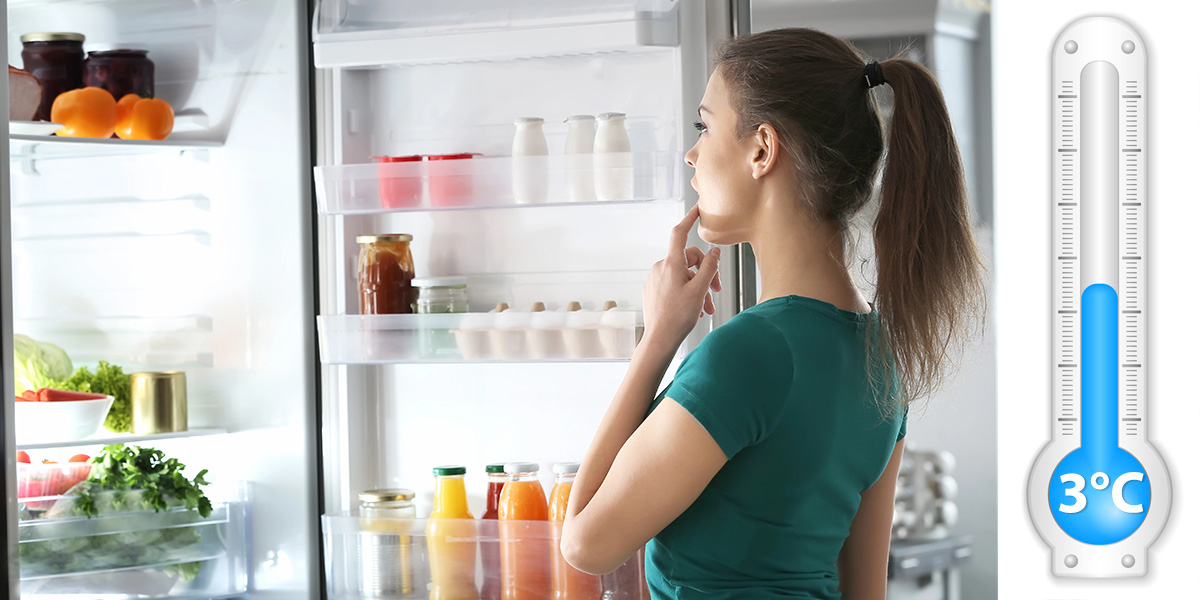
The ideal refrigerator temperature for preventing harmful bacterial growth and preserving food is 3°C (37°F). Freezers should be at -18°C (0°F) for safe storage and long-term food preservation.
The standard refrigerator temperature has been set in the industry, where the food safety is guided by the Food Standards Agency (FSA). It is based on the ideal environment in which food keeps its best qualities, and is prevented from spoiling, guaranteeing that we won't get food poisoning.
The Standard Fridge Temperature
The recommended standard temperature for refrigerators is 3°C (37°F), perfect for ensuring that your food is cold enough to prevent bacterial growth, but still high enough to not freeze.
For the freezer compartment, the ideal standard temperature is -18°C (0°F). Keeping it at this level will guarantee that frozen food is safely preserved.
Why is Fridge Temperature Important
When you keep your refrigerator at the correct recommended temperature, you'll make sure to:
- Prevent Food Poisoning: Harmful bacteria grow quickly in warmer temperatures. When you keep the temperature of your fridge below 4°C (40°F), the risk is small to non-existent.
- Preserve Food Quality: The right temperature will keep your vegetables crisp, your meat and dairy fresh, and will make sure your leftovers are good to go for another day or few.
- Increase Your Appliance Efficiency: When the temperature has been set correctly, it can help your fridge run more efficiently, which helps to reduce your energy bills, and possibly the need for refrigerator repairs.
Signs Your Fridge Temperature is Not Correctly Set
Here are some common signs that your refrigerator might not be at the right temperature:
- Food spoiling faster than usual
- Ice forming in the fridge compartment
- Milk or dairy curdling quickly
- Fridge compartment doesn't feel cold
- Water pooling or condensation inside the fridge
If you notice any of these issues, it's time to check the settings or consult a fridge repair technician.
How to Check and Adjust Your Fridge Temperature
Most modern refrigerators have a built-in thermostat or digital display. Here's what you need to do:
- Use a Refrigerator Thermometer: Place it in the centre shelf and leave it for 24 hours. This will help you get an accurate reading.
- Adjust the Settings: If the temperature is too high or low, adjust the thermostat settings.
- Don't Overload Your Fridge: Air needs to circulate inside the fridge, otherwise it won't be able to maintain the set temperature and cool the food.
- Check Door Seals: Damaged or loose seals can let cold air escape, which has an impact on the temperature, and will also increase energy use as the fridge is trying to maintain the set degrees.
When to Call a Refrigerator Repair Expert
If your fridge isn't maintaining the right temperature even after you have adjusted the thermostat, it could indicate a more serious issue. Common fridge problems include:
- Faulty thermostat or temperature sensor
- Blocked air vents
- Malfunctioning compressor or condenser fan
- Frost buildup impacting airflow
In such cases, it's best to contact a refrigerator repair specialist to diagnose and fix the problem before it gets worse.
At Repairs4U we offer premium fridge repair services at compatible prices. Our friendly technicians are available on the same or next day, or could be booked in advance to suit your schedule.

Repairs4U provides professional same or next day fridge / freezer repair services across all areas in London. Please call us on +44 20 8146 6924 for assistance.