How can I troubleshoot typical fridge problems?
Identify common fridge issues such as cooling failures, leaks, or unusual noises by inspecting condenser coils, door seals, vents, and thermostat settings. Carry out straightforward DIY repairs like cleaning coils, unblocking drains, or replacing worn seals. For more complex problems, such as electrical faults or refrigerant leaks, consult a professional fridge repair technician.
The fridge is an essential feature in modern homes, but like any appliance, it will encounter technical issues from time to time. Being able to diagnose and fix common fridge problems will save you money and time, and your appliance will keep on storing your food safely and keep it fresh for years to come.
In this article we have listed the most common fridge problems, and potential repair solutions. For some of the issues you'll encounter you'll need the help of a professional repair technician so it's a good idea to find a reliable service in your area.
Health & Safety Precautions
As always - safety first. Only ever attempt the DIY repairs or check-ups if you are absolutely certain in your abilities and knowledge, otherwise the safest option is to call a professional repairs engineer.
1. Refrigerator Not Cooling Properly
Possible Causes:
- Dirty Condenser Coils: Dust and debris on coils reduce the appliance efficiency by not allowing it to release the heat absorbed by the refrigerant.
- Faulty Evaporator Fan: The fan circulates cold air. If it's not working, the fridge won't be cooled as well as it should.
- Thermostat Issues: A broken thermostat may fail to regulate temperature, as it is responsible for turning the compressor on and off in order to cool the fridge.
- Blocked Vents: Circulation of air will be reduced or fully obstructed if the vent is blocked by dust or debris.
- Overloading: If your fridge is packed to the brim, air cannot circulate and cool the inside of the appliance, and your food as well.
DIY Fixes:
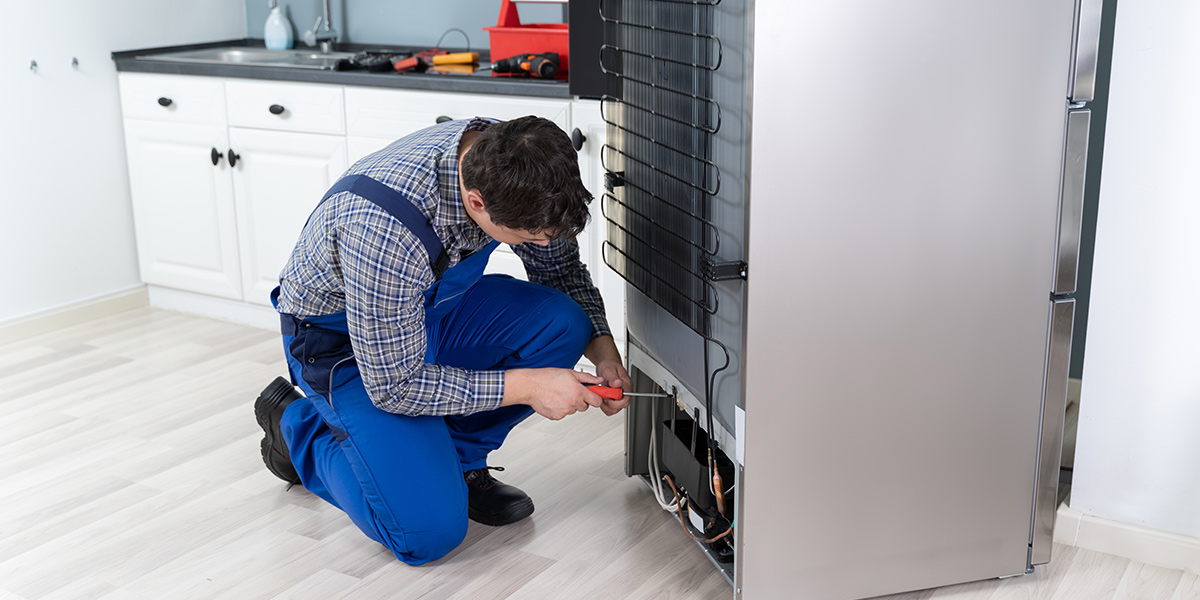
- Clean the Condenser Coils: First, unplug the fridge. Find where the coils are - usually at the back or the bottom of the fridge. You can use a vacuum, brush or duster to clean the dust and debris.
- Inspect the Evaporator Fan: It is located behind the back panel of the freezer. If it's not working, it might be damaged, or its motor needs to be changed.
- Check the Thermostat: Adjust the temperature settings, if necessary. If the problem persists, the thermostat might need to be replaced.
- Clean the Fridge Vents: Locate the vents, using a user manual if necessary, and clean them. Vents could also be blocked by leaning packages of food.
- Rearrange Your Fridge: Reorganise the food in your fridge for better air circulation.
2. Freezer Not Freezing
Possible Causes:
- Defrost System Issues: When the defrost system isn't working properly, frost builds up and obstructs airflow.
- Loose or Damaged Door Seal: If the gasket is faulty, the door doesn't close well, and warm air enters the freezer.
- Low Refrigerant Levels: The refrigerant could leak due to a several reasons, such as its tube being accidentally punctured, wear and tear of the coolant system, faulty compressor or condenser valves.
DIY Fixes:
- Manually Defrost: Unplug the fridge and let it thaw completely to remove frost buildup. You can speed up the procedure by placing containers with hot water inside. Make sure to lay towels on the floor around the fridge to soak up water, and avoid damages.
- Inspect the Door Seal: An easy test for whether the door closes tightly - close the door on a piece of paper. If it slides off, something is wrong with the seal, and it needs to be replaced.
- Professional Help for Refrigerant: If you suspect that this is the issue, you'll need to call a technician immediately to check for refrigerant leaks, and repair your appliance.
3. Fridge Leaking Water
Possible Causes:
- Clogged Defrost Drain: The drain hole is blocked with food particles, mouldy slime or ice.
- Damaged Water Supply Line: This is common for fridges with water dispensers or ice makers.
- High Humidity: If the door is opened too often, warm air enters the fridge, and excess moisture is created by condensation, clinging to the inside walls of the appliance. It will start leaking at some point.
DIY Fixes:
- Clean the Defrost Drain: The drain hole is inside the fridge, usually at the back. Use the original cleaning device that comes with the appliance, or a pipe cleaner to unblock it.
- Inspect the Water Line: Check for cracks or loose connections in the line, and replace if necessary.
- Reduce Humidity: Make sure not to open the door unnecessarily. If you notice excess condensation, wipe it away.
4. Fridge Making Loud Noises
Possible Causes:
- Faulty Evaporator Fan: Noise from the back of the fridge indicates an issue with the fan.
- Compressor Problems: A buzzing sound could be caused by a malfunctioning compressor.
- Fridge Not Properly Installed: If your appliance is not properly levelled, it will vibrate excessively, producing clinking sound.
DIY Fixes:
- Inspect the Fan: Unplug the fridge and find the fan - it's located behind the back panel. Clean the blades and inspect for damages. Replace the fan if damaged.
- Monitor the Compressor: If you suspect that the compressor is causing the noise, call a professional repair technician.
- Check the Fridge Aligning: Adjust the feet of the fridge for proper levelling, if necessary.
5. Ice Maker Not Working

Possible Causes:
- Clogged Water Filter: Restricts water flow to the ice maker.
- Frozen Water Line: Sometimes ice buildups block the water supply line.
- Faulty Ice Maker Components: Internal parts can wear out. When this happens, the ice maker will stop working.
DIY Fixes:
- Replace the Water Filter: Replace the filter following manufacturer's instructions.
- Defrost the Water Line: First, unplug the fridge and let the water line defrost. You can use a hairdryer to speed up the process, working very carefully as not to damage it.
- Inspect the Ice Maker: If none of the above is the reason for the ice maker not working, you'll need a professional to inspect and repair it.
6. Fridge Door Not Closing Properly
Possible Causes:
- Damaged or Dirty Gasket: The seal around the door may be dirty, cracked or loose, not letting the door close as it should.
- Heavy Load: Heavy items stored on the door can cause misalignment, and the door won't close properly.
- Worn Out Hinges: Over time, hinges can wear out or loosen, preventing the door from closing tightly.
DIY Fixes:
- Inspect the Gasket: Check for cracks or if the door seal might be loose, and replace if necessary. Another reason could be that the gasket is simply dirty, and a good clean with warm soapy water will resolve the issue.
- Reorganise Door Shelves: Make sure not to overload the door shelves, and remove heavy items to prevent misalignment.
- Tighten or Replace Hinges: Use a screwdriver to adjust loose hinges.
7. Fridge Running Constantly
Possible Causes:
- Dirty Condenser Coils: The condenser coils help the fridge to cool off by releasing the heat absorbed by the evaporator coil. Dust and trapped debris will cause the fridge to overwork.
- Faulty Thermostat: If something is wrong with the thermostat, the fridge cannot detect and control the inside temperature.
- Worn Out or Damaged Door Seal: If that's the case, warm air is allowed to enter the fridge, resulting in constant running, as the appliance works harder to cool off.
DIY Fixes:
- Clean the Coils: Clean the dust and debris from the condenser coils.
- Check the Thermostat: You'll need to book a professional to test the thermostat and replace it if faulty.
- Inspect the Door Seals: Check for damages or whether they've become loose, and replace the seal (s) if necessary. Also make sure the gaskets are clean as sometimes trapped food particles prevent the doors from closing tightly.
8. Fridge Smells Bad

Possible Causes:
- Spoiled Food: Leftover food, long forgotten items or spills will smell if the fridge is not regularly cleaned.
- Clogged Drain: Moisture buildup can lead to smelly mould growth.
- Dirty Coils: Dust and dirt can create unpleasant odours too, as they absorb cooking smells.
DIY Fixes:
- Deep Clean the Fridge: Remove all items and clean the interior with mixture of water and baking soda. Dry well all the surfaces before arranging the food back in the fridge.
- Clean the Drain: It's located inside at the back of the fridge. Clean it with pipe cleaner or the cleaning device that usually comes with the fridge. Wipe and dry off all surfaces to ensure the removal of mould spores.
- Clean the Condenser Coils: Regularly clean the coils to prevent odour buildup.
9. Fridge Light Not Working
Possible Causes:
- Burned-out bulb.
- Faulty bulb socket.
- Worn out or faulty door switch.
- Wiring issues.
DIY Fixes:
- Replace the Bulb: Remove the bulb's cover, and replace it with a compatible one.
- Check the Bulb Socket: If the bulb has not burnt out, it might be its socket that's causing the problem. This can also be replaced if necessary.
- Inspect the Dood Switch: Check the door switch to see if that's the issue, and replace if necessary.
- Wiring Check-Up: Consult a professional technician if you suspect that the wiring is faulty.
- Check Power Supply: Make sure the fridge is properly plugged in.
10. Fridge Freezing Food
Possible Causes:
- Malfunctioning Thermostat: The fridge temperature reflects the thermostat settings - if the temperature is set too low for some reason, the food in the fridge compartment might freeze.
- Faulty Temperature Sensor: If something is wrong with the sensor, it won't be able to monitor the temperature inside the fridge and send the right signals to the refrigerator's control system to regulate it.
- Blocked Vents: If the vents are obstructed by food packages, it leads to the air not being able to circulate properly, sometimes creating much colder areas, resulting in food freezing instead of cooling.
DIY Fixes:
- Readjust the Thermostat: Check the thermostat and adjust the temperature settings.
- Check the Temperature Sensor: You'll most likely need professional help to replace a malfunctioning temperature sensor.
- Rearrange Food Items: Make sure food is not obstructing the vents.
11. Water Dispenser Not Working
Possible Causes:
- Clogged Water Filter: The water dispenser's filter can become clogged with dust, dirt, limescale buildup, or other debris.
- Frozen Water Line: The water line usually runs through the freezer compartment. If it's set on a very low temperature, it might impact the water line.
- Faulty Water Valve: If the water inlet valve is malfunctioning, it won't open to allow water through.
- Low Water Pressure: This issue can either significantly decrease or completely stop the water flow.
- Disconnected Water Line: If the line is disconnected, water cannot enter the appliance.
DIY Fixes:
- Check the Water Filter: Replace if clogged or dirty.
- Inspect the Water Line: Make sure the line is connected to the fridge, and defrost if necessary.
- Check the Inlet Valve: Inspect and replace the water inlet valve if needed.
- Low Water Pressure: If this is the problem, there isn't much you can do, apart from trying to increase your whole home water system pressure.
12. Frost Build-Up in the Freezer

Possible Causes:
- Faulty Defrost System: Most modern fridge-freezers have an integrated automatic defrosting system. When it's malfunctioning, frost and ice build up on the walls and the rest of the freezer's surfaces.
- Worn Out or Damaged Door Seal: If the gasket is damaged or loose, the door won't be closing properly.
- Door Left Open: If the door is left open for some reason, the freezer works hard to keep the set temperature, resulting in frost and ice buildups.
- Humid Air Entering: If the air in your house is too humid, it will impact the humidity of the freezer too, resulting in excess frost.
DIY Fixes:
- Defrosting the Freezer: Defrost the freezer manually if necessary, and check if the defrost system is malfunctioning - you are most likely to need the help of a professional to fix it for the latter.
- Inspect the Door Seal: Check if the gasket has cracks or is loose, and replace, if necessary. Make sure the door seal is well cleaned as sometimes trapped or stuck on dirt and residue might be impacting how tight the door is closed.
- Keep Door Closed: Make sure to close the freezer's door tightly after each use.
- Humid Air: Try and minimise door opening if your house is too humid.
13. Fridge Turns On and Off Too Often
Possible Causes:
- Dirty Coils: When the condenser coils are dirty, the fridge is struggling to cool down. It would turn on and off constantly to try and rectify the problem.
- Overfilled Fridge: This also leads to overheating, not allowing proper ventilation.
- Malfunctioning Thermostat: It causes the fridge to turn on and off frequently as it is unable to sense the temperature inside the fridge. The thermostat is connected to the compressor which is responsible for maintaining the set temperature.
DIY Fixes:
- Clean the Coils: Make sure to regularly clean the coils for proper cooling.
- Avoid Overloading: Rearrange the items in your fridge to allow proper air circulation.
- Call a Repair Specialist: Contact and repairman to inspect and repair or replace the thermostat, if you suspect this is the problem.
14. Excess Condensation Inside the Fridge
Possible Causes:
- Warm Air Entering the Fridge: When warm air enters the fridge, t will interfere with the set temperature, resulting in condensation on the walls and shelves.
- Poor Sealing: If the door seal is damaged or loose, the door won't close properly, resulting in temperature fluctuations.
- High Humidity: If the air in your home is too humid, it will condensate on the walls in the fridge.
DIY Fixes:
- Warm Air: Adjust temperature settings to optimal levels, and avoid letting warm air in.
- Ensure Tight Sealing: Check door seals and replace if loose or damaged.
- Adjust Humidity Levels: Make sure not to open the door too often.
15. Fridge Overheating
Possible Causes:
- Dirty Condenser Coils: When dirty, the condenser coils are unable to release heat, affecting the fridge's temperature.
- Malfunctioning Fans: If the evaporator fan isn't blowing cold air, it indicates evaporator issue. The condenser fan might be obstructed by dirt buildup.
- Faulty Compressor: The compressor might be damaged or faulty, or be affected by the condenser fan not working properly.
DIY Fixes:
- Clean the Coils: You can use a vacuum cleaner and a duster to remove dust and other dirt that have accumulated on the condenser coils - located at the back of the fridge.
- Check the Fans: See if the fans are dirty or otherwise obstructed, or damaged. Replace if necessary.
- Compressor Issues: If overheating persists, consult a technician for compressor repairs or replacement.
16. Error Codes on Digital Display
Possible Causes:
- Malfunctioning Sensors or Faulty Control Boards: In both cases the fridge shows error codes or beeps frequently, as they are interlinked.
DIY Fixes:
- Follow Manufacturer's Advice: Refer to the user manual for error codes explanation and troubleshooting.
- Reset the Fridge: You can do that by unplugging it for a few minutes.
- Book a Professional Repair Call a technician if the problem persists.
17. Fridge is Too Noisy at Night
Possible Causes:
- Noisy Defrost Cycle: This could be caused by various issues - the plastic parts of the appliance expanding and contracting, resulting in cracking sound; faulty defrost timer or defrost heater; clogged condenser fan, faulty evaporator fan or its motor.
- Faulty or Worn-Out Compressor: The compressor is the main part driving the refrigerator's cooling system. If old or faulty, it makes clicking, buzzing or humming sounds.
- Uneven Appliance Placement: If the fridge hasn't been properly installed, it will vibrate more than usual when working, resulting in increased noises made by its internal parts.
DIY Fixes:
- Find Out What's Causing the Noise: Noise during the defrost cycle is normal, but it shouldn't be excessive. Check for loose or damaged parts.
- Check the Compressor: Have a professional repairman inspect the compressor, and replace the compressor if it's necessary.
- Levell Out the Fridge: Place the fridge on a level surface.
18. Fridge Smells Like Burning
Possible Causes:
- Overheating Components: Internal fridge parts, like the compressor, can overheat when faulty or damaged.
- Damaged Wiring: The internal wiring of a fridge can fault, or the connecting cord might somehow get damaged. On another note, the fridge is required to have a dedicated circuit for safety reasons.
- Dust on Condenser Coils: When dirty, the condenser coils are unable to release heat. The smell might be coming from “burning” dust.
DIY Fixes:
- Clean Dust from Coils and Vents: Make sure these components are always well maintained to avoid further issues.
- Call a Technician Immediately: If you suspect that the wiring or the compressor are faulty, disconnect the fridge and call a specialist.
19. Fridge Display Panel Not Working
Possible Causes:
- Electrical Issues: Faulty, damaged or disconnected wiring.
- Faulty Control Board: Some refrigerators display an error code indicating to the problem causing the malfunctioning of the control panel.
- Power Supply Problems: The fridge might've been disconnected from the power outlet.
DIY Fixes:
- Inspect for Loose or Damaged Wiring: Call a specialist if you don't have the knowledge or don't feel confident enough.
- Check the Control Board: Refer to the manufacturer's manual for error codes. Replace the control board if necessary.
- Check the Power Supply: Make sure the fridge is connected to a power outlet. You can reset it by unplugging it for a few minutes.
20. Water Inside Crisper Drawers
Possible Causes:
- Clogged Defrost Drain: If the fridge is not regularly cleaned, the defrost drain might be clogged by food debris.
- High Humidity Inside the Fridge: When the humidity level in the crisp drawer is too high, it will eventually condensate into a pool of water. Most drawers have a humidity control - a vent that opens or closes to regulate airflow, but for the ones that don't humidity is constantly set on high.
- Overloaded Fridge: Overpacking the fridge prevents good airflow, resulting in water pooling at the bottom of the crisper drawer.
DIY Fixes:
- Clean the Defrost Drain: You can use the cleaning device that comes with the fridge, or a pipe cleaner to unclog the drain.
- Adjust Humidity Settings: Where applicable, change the humidity settings of the drawers to avoid condensation.
- Ensure Proper Airflow: Rearrange the items in the fridge to ensure good airflow.
21. Ice Build-Up Around Door Seal
Possible Causes:
-
Damaged or Dirty Seals: When the gaskets are damaged or dirty, the fridge or freezer's doors don't close properly, allowing moisture to enter the appliance and freeze, forming frost around the freezer or fridge door seals.
DIY Fixes:
- Clean the seals: Using warm soapy water, remove the dirt with a clean cloth, then dry the surface well.
- Inspect the Gaskets for Cracks: Replace worn-out or damaged seals to ensure that the door closes tightly.
22. Fridge Temperature Fluctuates
Possible Causes:
- Thermostat Failure: The thermostat turns the compressor on and off, controlling the temperature in a refrigerator. Fluctuations could be down to a faulty thermostat.
- Sensor Issues: The temperature sensors could be malfunctioning, displaying false temperature levels.
- Fluctuating Power Supply: Power surges or malfunctioning circuit breaker can cause uneven power supply.
DIY Fixes:
- Test the Thermostat: For a thermostat inspection and repair, and possible replacement, it's best to call a specialist. If you have the knowledge, you can DIY.
- Rearrange Fridge Content: Check if the fridge is overloaded and whether the food might be blocking the temperature sensors.
- Check the Power Supply: Inspect he circuit breaker, and reset. Consult an electrician, and install a voltage regulator if necessary.
23. Fridge Lights Flickering
Possible Causes:
- Loose Bulb or Faulty Bulb Socket: A loose or soon to burn out bulb could be the cause for flickering fridge light. A faulty bulb socket could also be an issue.
- Faulty Door Switch: If the door switch is worn out, damaged or stuck, it might briefly engage and then disengage with the fridge light, causing it to flicker.
- Electrical Issues: Loose wiring or variable power supply could lead to flickering fridge light.
DIY Fixes:
- Check the Bulb and Socket: Tighten or replace the bulb and socket, if necessary.
- Inspect the Door Switch: If you find that it isn't engaging properly, the switch will need to be replaced or repaired.
- Check for Wiring Issues: Call a technician who'll be able to inspect the wiring. See if the fridge is properly plugged in.
24. Chemical Smell Coming from the Fridge
Possible Causes:
-
Refrigerant Leaks: The best guess when acetone-like smell is coming from the fridge is that there is a refrigerant leak. Whether the refrigerant's hose has been punctured when the freezer has been defrosted, or because the appliance is very old, leaks will occur.
DIY Fixes:
- Turn Off the Fridge and Ventilate the Area: The refrigerant is harmful when inhaled. It is a colourless gas, meaning that you won't be able to see where exactly the leak is coming from, you'll only be able to smell it.
- Call a Professional: Book a certified technician immediately to inspect and fix the leak.
25. Fridge Shelves or Drawers Break Easily
Possible Causes:
- Overloading: Fridge shelves have been designed to only hold certain weight, and would crack or break if overloaded.
- Poor Quality Materials: It could be that the shelves or drawers have been produced faulty, or have been replaced with ones of not so good quality.
DIY Fixes:
- Avoid Overloading the Shelves: Redistribute heavy items to even the weight on the shelves. See if you can leave some items out as not all food benefits from being kept in the fridge.
- Replace Broken Parts: When buying new shelves, make sure they are of good quality, and compatible with your appliance, which will ensure better durability.
26. Fridge Won't Start
Possible Causes:
- Power Supply Issues: The refrigerator could've been mistakenly unplugged, or there are other power supply problems.
- Damaged Plug: A damaged plug could also be a reason as to why the fridge won't start.
- Tripped Circuit Breaker: The circuit breaker could've tripped to protect the appliance by preventing electrical overload.
DIY Fixes:
- Check the Power Supply: Make sure the fridge is plugged in and the outlet is working.
- Check the Circuit Breaker: Reset if this is the reason for the fridge not starting. Call and electrician if the circuit breaker keeps tripping.
- Inspect the Power Cord: If there is visible damage, it needs to be replaced.
27. Fridge Door "Sweating" on the Outside
Possible Causes:
- High Humidity: If your kitchen is too humid, condensation will form on the fridge door, and the rest of the surfaces.
- Poor Insulation: If the door seal is damaged, dirty, or worn out, the door won't close properly, resulting in warm air entering the fridge, and cool air escaping, leading to condensation.
DIY Fixes:
- Use a Dehumidifier: Have a dehumidifier running in the kitchen when the air becomes too humid.
- Inspect the Door Seal: Clean, check and replace the gasket if you find out that it's loose or damaged.
28. Overloaded Compressor
Symptoms: Compressor runs loudly or frequently stops working.
Possible Causes:
- Overloading: When the fridge is filled with too many items, the air can't circulate properly, which in turn affects the compressor.
- Improperly Installed Fridge: If the installation guidelines haven't been followed, there won't be enough space around the fridge, resulting in restricted airflow, leading to the compressor being overwhelmed.
DIY Fixes:
- Rearrange the Fridge: Remove items from the fridge, if possible - there are certain foods that don't necessarily benefit from being stored in a refrigerator.
- Check Installation Regulations: Make sure the back and sides of the fridge have enough space for ventilation.
29. Error Codes Persist After Resetting
Possible Causes:
- Malfunctioning Sensors: If the fridge sensors are malfunctioning, resetting the appliance won't always help.
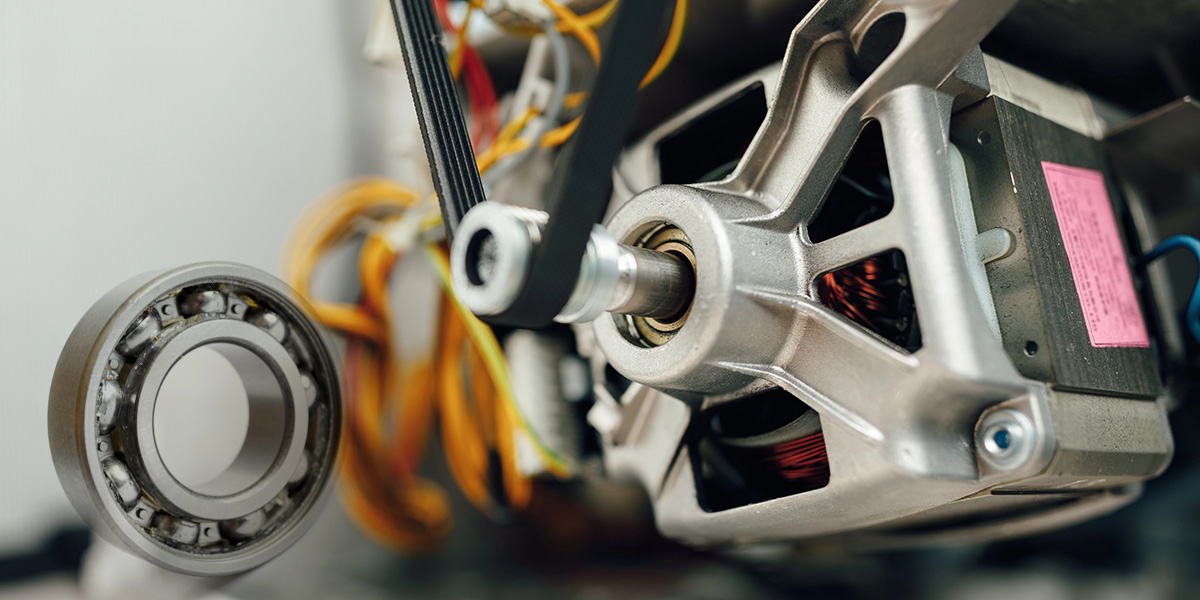
- Faulty Evaporator Fan Motor: The evaporator fan motor might've become faulty due to a several reasons - worn-out bearings, dirt buildup, damaged winding, lack of lubrication, and general wear and tear, resulting in error code displaying.
- Defective Control Boards: If the control board is malfunctioning, a normal reset might not help.
DIY Fixes:
- Check Error Code Meanings: Find what problems the error codes reflect in the user's manual, and see if you can resolve the problem.
- Call a Repair Specialist: If after you've tried your best the error codes are still displayed, have a professional technician to diagnose, and repair or replace faulty parts.
30. Fridge Door Hinges Squeaking
Possible Causes:
- Lack of Lubrication: Hinges need lubricant to work smoothly. The squeaking sound you'd hear opening the door comes from metal rubbing against metal.
- Loose or Worn Hinge Parts: Like all parts, the fridge door hinges would eventually wear out or become loose with time.
DIY Fixes:
- Lubricate the Hinges: Apply food-safe lubricant to the hinges.
- Check the Hinges: Tighten loose screws or replace worn parts.
When to Call a Professional
There are many fridge problems that can be diagnosed and fixed at home, but some issues require professional help:
- Electrical Issues: Problems with wiring or the compressor.
- Refrigerant Leaks: Only a certified technician can handle refrigerant safely.
- Persistent Problems: If DIY fixes don't resolve the issue, call an expert repair technician.
Maintenance Tips to Prevent Fridge Problems
- Clean condenser coils every 6-12 months.
- Check door seals regularly for damage.
- Replace water filters as recommended by the manufacturer.
- Make sure you are not overloading the fridge which would restrict airflow.
- Keep the fridge level to prevent pressure on its components, and keep it in peak condition.
Conclusion
With some knowledge and timely diagnosis and maintenance, a lot of the common fridge problems can be resolved without professional help. We hope that this guide has provided practical steps for better understanding and fixing the above often occurring issues, and also knowing when to call a professional fridge repair specialist. By taking care of minor issues early, you can extend your fridge's lifespan and maintain its efficiency for longer.