A Comprehensive Guide on How to Choose an Electric Cooker
Choosing the right electric cooker involves considering your cooking habits, kitchen space, and budget. Freestanding or integrated, with energy-efficient options, safety and smart features, the choice is not always easy. Don't forget to read warranties and reviews, and consider installation needs.
The kitchen is the heart of our home, this is where we cook for our families and friends, where we get together for a meal or a chat over a cup of tea or coffee, and it's important to create an inviting a relaxing atmosphere for our loved ones. The cooker is at the centre of what a kitchen is about, and as it is not an appliance we buy often, we have put together a few key points for you to consider when purchasing a new one, to help you make an informed decision.
1. Understanding Electric Cookers
An electric cooker usually has an oven and hobs powered by electricity. They come in various configurations to cover different cooking needs and kitchen layouts. Knowing the basics will help you choose the best option for you.
Types of Electric Cookers
- Freestanding Cookers: These cookers combine an oven and hobs, and are easy to place anywhere in your kitchen, without the need of a professional help. Range cookers are also free-standing, but they are larger – with more hobs and ovens.
- Integrated Cookers: Built into your kitchen units, combining convenience and seamless look. These appliances are installed by professional technicians.
- Double Oven Cookers: Consist of two separate ovens, providing cooking flexibility.
Cooker Sizes Based on Type
The cookers sizes vary depending on their type, and you can choose from the following options:
- Freestanding Cookers: 55 to 60 cm depth – for standard and compact cookers respectively, and vary between 50 and 60 cm in width.
- Range Cookers: These come in a variety of width – 90–110 cm, up to 90 cm hight, and are typically 60 cm in depth.
- Compact Cookers: Designed for small kitchens, often including only two hobs, and smaller ovens, they vary in width – 45 to 50 cm.
- Integrated Cookers: With width of 60 cm, these fit perfectly into standard kitchen units.

Repairs4U provides professional same or next day electric cooker repair services across all areas in London. Please call us on +44 20 8146 6924 for assistance.
2. Key Features to Consider
Modern electric cookers come with a wealth of integrated features, making them more convenient and efficient. Here’s what to look for to decide what is the best configuration for you.
Hob Types
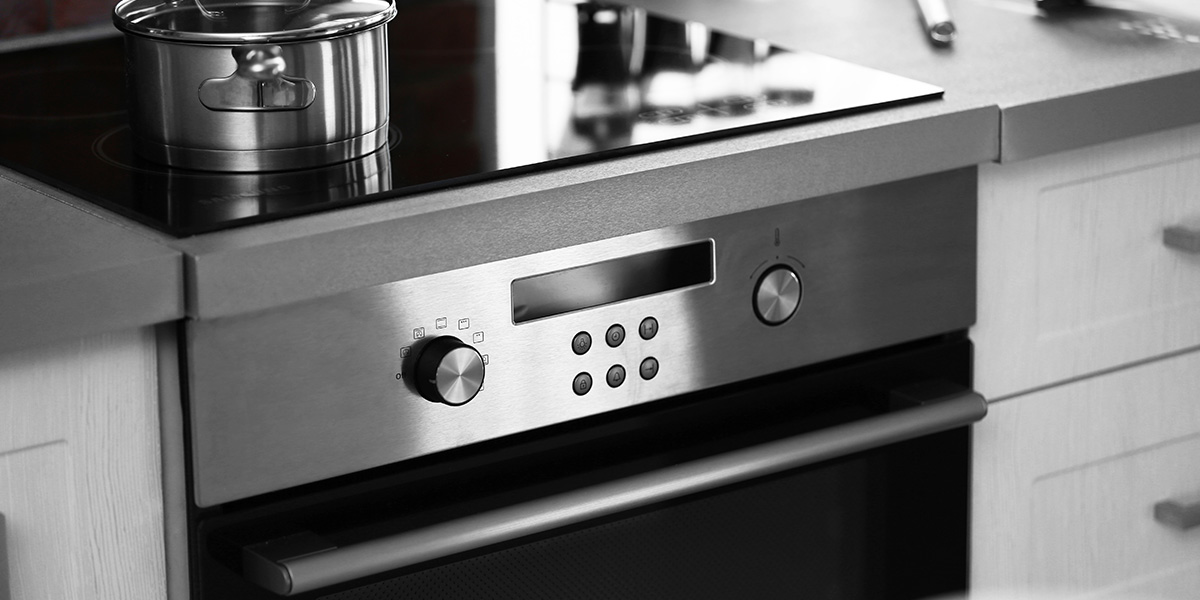
- Ceramic Hobs: These heat up quickly and are easy to clean, with smooth and stylish look.
- Induction Hobs: Use magnetic technology for fast, energy-efficient cooking. They require induction-compatible cookware, which is widely available.
- Solid Plate Hobs: Affordable and durable but slower to heat compared to ceramic or induction hobs.
Oven Types
- Conventional Ovens: The heating elements are positioned at the top and bottom. These ovens are suitable for traditional baking.
- Fan-Assisted Ovens: Distribute heat evenly for faster and more consistent cooking.
- Multifunction Ovens: Combines different settings such as grilling, roasting, and defrosting.
- Steam Ovens: Retain food’s moisture and nutrients, ideal for healthy cooking.
Capacity
The oven capacity is measured in litres.
- 40–60 litres: Enough to cook for one or two people.
- 60–80 litres: Perfect for small to medium-sized families.
- 80+ litres: More suited for large households and people with love for baking.
Energy Efficiency
The cookers with the highest energy saving rates are marked with A+++. Research the different rates to figure out how much you’ll be able to save on bills, and reduce environmental impact.
Additional Features
- Timer and Programmable Functions: You can use these to set cooking times and temperatures.
- Self-Cleaning: Pyrolytic cleaning or catalytic cleaning features reduce cleaning times and maintenance.
- Smart Connectivity: Wi-Fi-enabled models allow you to control your cooker via smartphone apps.
- Child Lock: Ensures that the appliance’s settings are not accidentally changed during cooking. Essential for families with young children.
Dual-Cook Technology
This feature allows a single oven to be divided into two separate compartments. A removable divider is used to allow the independent cooking of separate dishes with different settings. This way of cooking also saves on energy, and makes it easier to prepare more food in less time.
Air Fryer Functionality
Some electric cookers have integrated air fryer modes, allowing you to cook crispy, healthy dishes without the need of a separate appliance. This feature is perfect for people who prefer to prepare their meals with less oil.
Warming Drawer
A warming drawer is integrated below the main oven and is used to keep food warm or to preheat plates. It is worth checking for people who bake a lot – it helps for slow-proofing dough.
Adjustable Shelves and Telescopic Rails
Adjustable shelves would be important for people who need flexible oven space, for when they need to use larger than usual cookware.
Telescopic rails make it easier to pull out trays, making the handling of hot dishes a breeze.
Rapid Preheat
This feature reduces the time it takes for the oven to reach the desired temperature. It helps to shorten cooking times, and reduces energy use.
Residual Heat Indicators
Hobs with built-in heat indicators show when the surface is still hot after cooking. This makes the cookers safer by potently avoiding accidental burns. It is a common feature in most induction and ceramic hobs.
Grilling Options
A built-in or a separate compartment grill adds a variety of cooking options such as grilling, browning or toasting. It is usually integrated in most electric cooker models.
Enhanced Lighting
Some electric ovens have integrated high-quality interior lighting, which helps to check on how the food is cooking without the need to open the door.
Steam Cleaning Mode
An alternative to pyrolytic cleaning or catalytic cleaning, it uses steam to loosen grease and food residue for energy-efficient and environmentally friendly process.
Fan-Assisted Ovens
These ovens have a built-in fan or a rear heating element, which make the hot air circulate, providing consistent cooking temperatures, and faster cooking times as a result. It’s perfect for baking, roasting and grilling, and – as it allows for the use of lower temperatures, it is ideal for delicate baked goods like pastries and soufflés.
When using a fan-assisted oven you can also bake on multiple racks without compromising on results as the heat is distributed evenly in the oven.
3. Smart Features in Electric Cookers
Smart technology is revolutionizing home appliances, and electric cookers are no exception. They bring convenience, efficiency, and cooking precision. Here is a look at what’s new.
- Remote Control via Smartphone Apps: You can turn on or off the oven and hobs via an app on your phone, preheat and adjust cooking times and temperatures. You’ll receive a notification when your meal is ready.
- Voice Control Compatibility: Integration with voice assistants like Amazon Alexa, Google Assistant, or Apple HomeKit. Extremely convenient feature, allowing you to use voice commands to start or stop the oven, set timers and adjust temperatures.
- Smart Sensors for Precision Cooking: Integrated sensors detect moisture, temperature, and weight of the food, and automatically adjust the settings for perfect results.
- Recipe Guidance and Automated Cooking Programs: This feature can be used to access step-by-step recipes and cooking instructions via an app or the cooker’s touchscreen interface.
- Energy Monitoring and Efficiency Optimisation: Smart cookers provide real-time energy consumption and suggest more efficient settings, helping you to reduce energy bills.
- Self-Diagnostics and Maintenance Alerts: The cooker can spot potential issues and alert you before they become serious problems. Also provides help with error codes and troubleshooting tips, saving you on repair services costs.
- Multi-Zone and Temperature Tracking: Allows you to cook multiple dishes with different settings at the same time, saving time and lowering energy use.
- Steam Cooking with Smart Controls: Some models have remotely controlled steam functions – you can choose steam levels for bread, fish, or vegetables. The automated programs then add stem bursts crustier baked dishes.
- Smart Safety Features: Intelligent monitoring enables automatic shut-off if the cooker detects inactivity or overheating. Child lock could also be activated via the manufacturer’s app or the control panel.
- Integrated Cameras: Ovens with built-in cameras let you monitor the food as it cooks without the need to open the door. You can have live video streams on your phone, and zoom in to check on the cooking progress.
4. Installation Requirements
When buying a new kitchen appliance, it’s also important to consider the space available in your kitchen and installation requirements.
- Freestanding cookers are easy to install and move, but usually require more space.
- Integrated models cookers must fit perfectly well into your cabinetry so upfront precise measurements are required as well as professional installation.
- Power supply – some electric cookers might require a dedicated circuit. Make sure to check in advance, and provide the right electrical settings.
5. Budget Considerations
Electric cookers are available in numerous configurations and sizes with various prices to suit different requirements, ranging from entry-level and mid-range to high-end models. Make a list with high priority features you won’t compromise on, and research what’s on the market, then set a firm budget. You’ll be tempted to increase it for additional features you think you may use one day, but consider carefully if that’s a real possibility, and stick to the most important must haves.
6. Think of Maintenance
With so many different models and styles of electric cookers to choose from, it’s sometimes easy to forget that cleaning and maintenance of the new appliance will be a daily task. Some features and surfaces will help you save you time and effort, and make the cleaning a breeze.
- Self-Cleaning Ovens: Pyrolytic ovens burn off food residue, while catalytic liners absorb grease.
- Smooth Hobs: Ceramic and induction hobs are easier to wipe clean compared to solid plates.
- Control Panels: The smooth surface of an electronic control panel is much easier to clean than knobs.
7. Cooking Style and Needs
Think about how you cook – how often, whether you use the hobs or the oven more frequently, the quantity of food you prepare – it will make it easier to choose a model that suits your lifestyle.
- Frequent Bakers: Look for multifunction ovens with consistent heat distribution.
- Large Families: Double ovens or range cookers with large capacities are ideal.
- Time-Sensitive Cooks: Induction hobs and quick preheat features save time.
- Occasional Chefs: Depends on whether you mostly bake and roast, or cook on the hob. We recommend a compact model, to combine both.
8. Safety Features
Safety should always be a priority, especially for households with children, and not only. There are some pretty advanced safety features, integrated in many models.
- Cool-Touch Doors: Prevent burns during use.
- Automatic Shut-Off: Turns off the oven or hob after a set period of inactivity. Extremely important as, for various reasons, people sometimes forget to switch them off.
- Child Locks: Prevent accidental changes to settings or the oven being turned on by mistake.
9. Environmental Impact
We all try our best to help save our planet. For eco-conscious buyers, consider:
- High energy efficiency ratings to reduce carbon footprint.
- Induction hobs, which are more energy-efficient than other types.
- Brands that use sustainable materials.
10. Customer Reviews and Expert Opinions
Before buying an electric cooker, make sure to check customer reviews and expert recommendations. Often, by reading these, you’ll find more information on the appliance’s reliability, ease of use, and overall performance which will help you choose the best option for your cooking needs. Don’t forget to check brand reputation and how well rated their customer service is.
11. Warranties
Most electric cookers come with up to 2-year warranty as standard, with retailers offering options to extended coverage for an additional fee or through promotional offers. High-end brands do have up to 5 years warranties, which reflects the higher standard of their product. Always read the terms and conditions to make sure you are aware of what is covered, and how you can claim.
Finding a reliable professional repairs specialist near your home is also something to look for, as some electric cooker repair services are not always included in the manufacturer’s warranties.
Conclusion
Choosing the right electric cooker depends on your cooking needs, kitchen space, and budget. Aesthetics will also be a big part of their decision for some people, but whether you feel at home in the kitchen, or still need some encouragement, we hope this guide will help you choose the right appliance to suit your lifestyle.