Essential Tips on How to Choose a Washing Machine
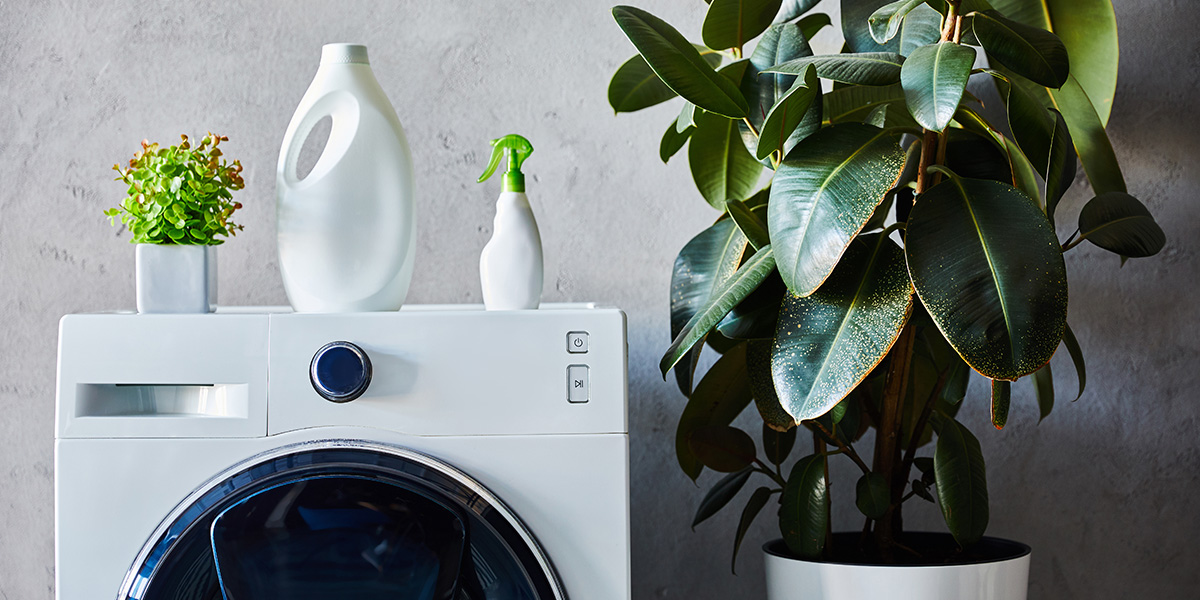
Choosing a washing machine depends on household size, laundry priorities, and space. Capacity, load type, freestanding or built-in, washer-dryer are also to be considered, as should energy efficiency, specific cycles, and smart features. Check budget-friendly options, and for repair options near by.
A Guide on Key Factors to Consider When Buying a Washing Machine
Choosing the right washing machine for your home can be an exhausting task when faced with the many options available on the market today. Having to consider different specifications such as size, energy ratings, advanced features and brands, it's easy to become overwhelmed when figuring out which one will best suit your needs.
Whether you are buying a washing machine for the first time, or need an upgrade, making an informed decision will help you avoid potential problems and issues, such as frequent breakdowns, and consequently - expensive repairs, or probable energy overconsumption.
To help you choose the perfect washing machine, our professional kitchen appliance repairs team has put together a guide with several factors to consider when buying a new machine.
1. Understand Your Needs
With so much choice on the market, probably the first thing you should consider when buying a washing machine is your households' specific laundry needs. How often you do laundry, the size of your family, the types of fabric, and what programmes you typically use should be the leading factors in your decision.
For example, larger families or homes that handle a lot of laundry will benefit from machine with larger capacity, while smaller households may prefer a more compact model; if certain garments require special treatments, you should consider models with short/wool/delicates/sport cycles. Many brands and models also have combined washer-driers, which gives you the option to have two appliances in one, and save on space and money.
2. Capacity and Size
When choosing a washing machine, bear in mind that they come in various sizes, ranging from compact units that handle 6-7kg loads to larger machines with a capacity of 10kg or more. It's important to select an appliance with the right capacity to avoid overloading or underusing your machine. For smaller households (1 to 2 people), a washing machine with a 6-7kg capacity is sufficient in most cases.
- For medium-sized households (3 to 4 people), an appliance with 8-9kg capacity is recommended.
- For larger households (5+ people), a model with 10kg or higher capacity is ideal for managing larger loads and heavier items like bedding.
- Keep in mind that capacity is measured in kilograms dry clothes, for example four to five men's shirts weight about a kilogram, as do a pair of trousers and a shirt.
You should also consider how often you do laundry, and how you separate your clothes - whites, delicates, wool, by colour, or other variations of fabrics and colours. It is recommended that the drum is filled up with 80% of its capacity for optimum performance.
3. Types of Washing Machines
Washing machines usually come in two types according to how they are loaded - front-load or top-load. Of course, both also come with pros and cons, and knowing and understanding those will help you choose better depending on your needs.
- Front-Load Washing Machines: These are the more traditionally used models in UK, and the washing machines are usually more energy and water efficient. They are also typically gentler on clothes, which is crucial when machine-washing delicate fabrics. However, they may require more maintenance to avoid mould buildup on the door seal.
- Top-Load Washing Machines: These washing machines have their door on the top, as the name suggests, and are not very popular in the UK. This may have something to do with the fact that they are less energy efficient, and may not be as effective at removing tough stains, although they are less expensive in general.
4. Freestanding, Built-in, or Semi-Integrated Washers
Choosing between the three options might be easy if you are planning on or already have a built-in kitchen or utility/laundry room, and have a designated space for the washing machine. But still, aesthetics, space availability, maintenance and installation costs, and kitchen layout will have a say in the choice.
- Freestanding washing machines are easier to install and maintain as they don't have to be fitted in a special cabinet, and can be positioned anywhere with access to water and power supply. They also come in a range of sizes and colours, and have more variable drum capacity options.
- Built-in (Integrated) Washing Machines are usually more costly to install but are quieter as they are hidden behind a cupboard door that provides insulation. And, of course, your kitchen will look less cluttered if the washer is not on display. Make sure to take precise measurements before buying as there are specific requirements about cabinet width.
- Semi-Integrated Washing Machines - these are a hybrid option. They combine the aesthetics of a built-in washer with the convenience of accessing its control panel, as it is visible even when the door is closed.

Repairs4U provides professional same or next day washing machine repairs services across all areas in London. Please call us on +44 20 8146 6924 for assistance.
5. Washer and Dryer vs. Washer-Dryer Combo
If you have space and want the best performance for washing and drying, a separate washer and dryer would be the best choice. However, a washer-dryer offers the same functions, and you'd save on space, although you have to consider that the end result would take more time compared to using dryer and washer at the same time.
Having a washing machine and a separate dryer would allow you to buy a larger capacity washer, meaning less energy and water consumption. Washers, compared to washer-dryers, have better optimised wash cycles, which means better cleaning performance.
The washer-dryer combo offers the convenience of using the same appliance for different functions, saving on space, although it would lengthen the process as the cycles are performed one after the other. It might be most cost-effective compared to buying two separate appliances, but its components might wear off quicker.
6. Programmes and Features
When choosing a washing machine or a washer-dryer combo, it is also important to consider the different programmes and cycles, and pick the appliance that is most suitable to your needs.
- Fabric-Specific Cycles - Most washers or washer-dryers offer different options for variable fabrics - cotton, wool or synthetic, with additional programmes for delicates, sports garments, and hand-wash, and also various temperatures that are very often manually adjusted.
- Wool Care - The Woolmark Blue and Woolmark Green logos indicate that the washing machine wool cycle is safe for hand-washing woollens and gentle care respectively.
- Easy Iron feature - For less ironing, choose a washing machine with this feature - it reduces the clothes' creases by controlling the water and spin speed of the wash.
- Steam feature - This is an important feature for people with allergies as it helps sanitise the laundry, and - as the steam used in the cycle is with high temperature, kills household pests such as bed bugs and dust mites. It also allows the detergent to work better as he steam helps to penetrate the fabric more easily and much deeper.
- Flexible Washing Programmes - Smart washing machines come with washing cycles that allow flexibility, and adjust their duration according to the load's weight.
- Quick Wash - If most of the items you wash don't benefit from long cycles, make sure to pick a washing machine that has a Quick wash programme, or it would allow you to halve or shorten the washing time of its cycles.
- Sports Washing Programme - Designed to wash clothes at low temperature, with slow spin cycle, but long washing cycle, ensuring the removal of sweat and odours.
- Manual Cycle Control - If you'd rather choose the length of time for washing and drying your clothes, consider washing machine or a washer-dryer combo that allow cycle adjustments.
- Spin Speed - Maximum spin speed varies for different washers - up to 1,800 rpm (revolution per minute, or how many times in a minute the drum will turn). Think about whether you'll need a very high spin - it depends on the fabrics you wash, and whether they'll benefit from it. Also bear in mind that the faster the spin, the noisier the machine will be, and will probably cost more.
- Reversible Door - Consider whether the door opens to the left or to the right. Some brands and models offer a reversible door option, but if that's not the case, It might interfere with the layout of your kitchen/laundry room if it opens in the wrong direction.
- Detergent drawer - It might be worth considering how easy it is to take out the detergent drawer for when you'll need to clean it. Even if you deep-clean your appliance every month, there is still a chance of mould and mildew forming inside the drawer.
7. Energy and Water Efficiency
Energy efficiency is another key factor to consider when choosing a washing machine, and an easy one to navigate through as all models have their energy rating listed in the description. They range from D to A+++, with A+++ appliances being the most efficient energy savers.
Front-load washing machines use less water and electricity compared to top-load washers, and are often the eco-friendlier option. Keep in mind that energy saving washing machines don't necessarily perform better when it comes to washing results.
8. Smart Features and Innovations
In recent years, many washing machines have been equipped with advanced features to make laundry easier and more efficient. Some popular features include:
- Wi-Fi connectivity allows you to control your machine remotely via the manufacturers' applications. You can also opt to receive notifications and alerts about when a cycle is complete, if the detergent is running low, or if there are any issues with the appliance.
- Automatic detergent dispensers, which release the right amount of detergent for each load is a handy feature, and could save you money.
- Specialized wash cycles, such as steam cleaning for allergen removal or quick wash for lightly soiled clothes are some other features that make our lives easier.
- Scheduling your laundry to start at specific times either manually or via an app is especially useful if you want the cycle to finish at precise time or want to take advantage of off-peak saving rates.
While these features bring convenience, keep in mind that they often come with a higher price tag.
9. The Budget Factor
However tempting it might be to go for the washing machines with the latest features, the largest capacity and the most aesthetic looks, it may be more important to consider your real needs and stay within your budget. You can easily find a reliable washing machine without overspending. Keep in mind that higher efficiency models may cost more upfront but could save you money on energy bills and repairs in the long run.
10. Washing Machine Repairs in London
When buying a new washing machine, it's worth considering long-term maintenance and potential repairs. As with all kitchen appliances, even the best machines will experience issues with time, and finding a trusted company that offers professional kitchen appliance repairs in London could be a lifesaver when problems arise.
We would also advise to check the warranty and ensure that you're covered in case of breakdowns.
We hope that by following this guide you'd be able to choose the best washing machine for your home or rental property, and enjoy load after load of perfectly washed laundry.
The Importance of Professional Washing Machine Repair Services
If you experience any issues with your appliance, it's important to seek professional washing machine repair service promptly. Regular maintenance and timely repairs can help extend the life of your machine and keep it running efficiently.