Essential Advice on How to Fix Common Dishwasher Issues
Dirty dishes, leaks, not draining or starting, unusual noises and burning smells or cloudy glasses are common dishwasher problems. Some are easily fixed by checking power, cleaning spray arms and filters, and avoiding overloading. For complex issues, contact a repair professional.
Understanding and Fixing Common Dishwasher Problems
Modern kitchen appliances are, without a doubt, irreplaceable when it comes to making our lives easier, and the dishwasher in particular has become indispensable, making the chore of washing dishes less dreaded than it was years ago. But as some of the most used in households, and numerous times a day in business premisses, such as coffee shops and restaurants, dishwashers can encounter issues over time, like any other kitchen appliance. Being able to spot common dishwasher problems on time, and knowing how to fix them can save time, money, and the inconvenience of reverting to hand-washing.
Safety Precautions
- Turn Off the Power: Always unplug the dishwasher or switch off the circuit breaker before starting any maintenance or troubleshooting to avoid electrical shocks.
- Turn Off the Water Supply: Shut off the water supply to the dishwasher to prevent leaks or flooding during inspection.
- Wear Protective Gear: Use gloves to protect your hands from sharp edges or debris and safety goggles if dealing with sprays or chemicals.
- Handle Electrical Components with Caution: Avoid tampering with electrical components unless you are experienced. For electrical issues, consult a professional.
- Keep the Area Dry: Ensure the floor and surrounding area are dry to avoid slips or accidental electrocution.
- Use Proper Tools: Always use the appropriate tools for repairs to prevent damage to the appliance or injury.
- Inspect for Sharp Objects: Be cautious when cleaning the dishwasher’s filter or drain, as sharp objects like glass or metal shards may be present.
- Read the Manufacturer’s Manual: Refer to the dishwasher’s manual for specific instructions and warnings related to your model.
- Don’t Override Safety Features: Avoid disabling safety mechanisms such as door latches or overheat protection, as they are designed to prevent accidents.
- Keep Children and Pets Away: Ensure children and pets are not nearby during dishwasher maintenance or repair.
1. Dishwasher Won’t Start
One of the most common, and – of course, most noticeable problem, is when a dishwasher wouldn’t start. This could be caused by numerous factors such as malfunctioning control panel, power supply issues, or a faulty door latch.
- Inspect the control panel: If this is the problem, the control panel will need to be repaired or replaced, in which case you need to call a professional kitchen appliance repair engineer.
- Check the power supply: Make sure the dishwasher is plugged in, and the circuit breaker is in order.
- Examine the door latch: A faulty door latch will prevent the door from closing properly, and the dishwasher from starting. You may need to either adjust or replace it, probably with the help of a dishwasher repair specialist.
2. Dishes Come Out Dirty
There are various issues that can cause this, but the more frequent are usually dishwashers being overloaded, clogged spray arms, or a dirty filter.
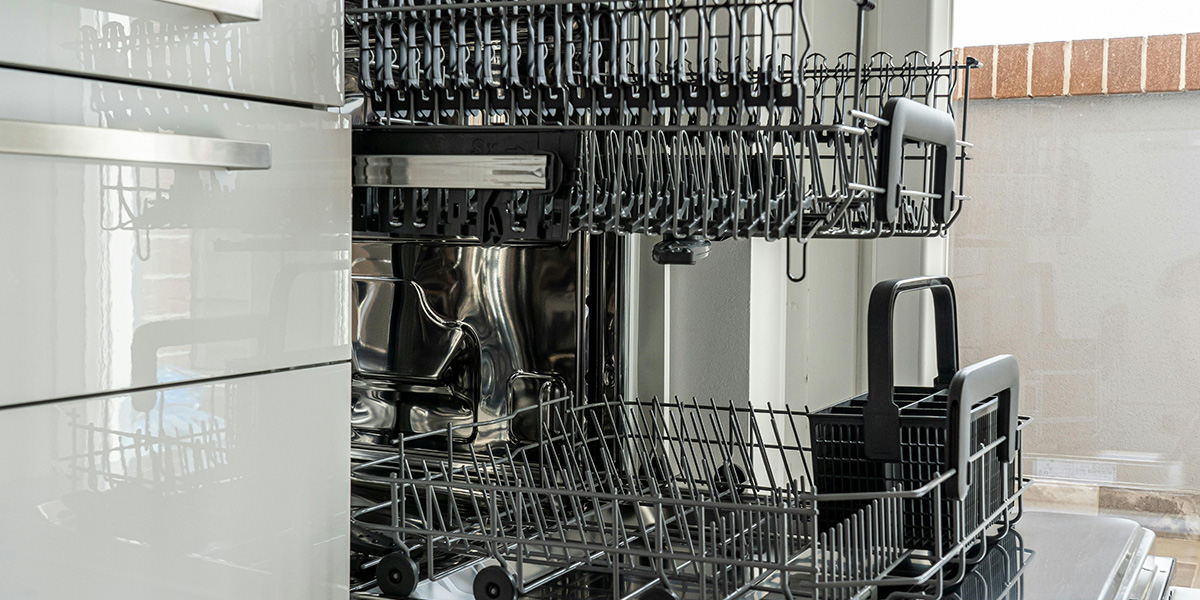
- Avoid overloading: Make sure to follow the manufacturers recommendations when it comes to loading your dishwasher. Overcrowding usually means that water and detergent are unable to reach most of the pieces, and then you have to do it all over again.
- Inspect and clean the spray arms if necessary: Remove and clean the spray arms, making sure they are not clogged, and there are no food debris and detergent residue left.
- Dirty filter: The dishwasher won’t function properly if the filter is dirty. Make sure to clean it regularly by taking it out, removing trapped food, and washing it with the appropriate detergent.

Repairs4U provides professional same or next day dishwasher repairs services across all areas in London. Please call us on +44 20 8146 6924 for assistance.
3. Dishwasher Doesn’t Drain
Blocked filter or drain hose, and a faulty drain pump are most frequently the culprits when water remains at the bottom of the dishwasher.
- Clean the drain hose: Find out if the hose is blocked, and what caused it. Remove the food debris and other particles responsible for the blockage.
- Clean the filter: A clogged filter would prevent proper drainage, and regular cleaning is necessary.
- Check the drain pump: If the issue is a faulty drain pump, you’ll need the help of a professional kitchen appliance repairs technician.
4. Dishwasher Leaks
When this happens, the issues are usually either a faulty water inlet valve, worn door seals, or too much dishwasher detergent.
- Check the water inlet valve: If this is the problem, the valve needs replacement. This is best done by a professional kitchen appliances repairs engineer.
- Inspect the door seals: Carefully examine the seals for cracks or other damages, and replace if necessary.
- Use the correct amount of detergent: Make sure to use the right amount and the correct type of detergent recommended for your dishwasher.
5. Unusual Noises While Dishwasher is On
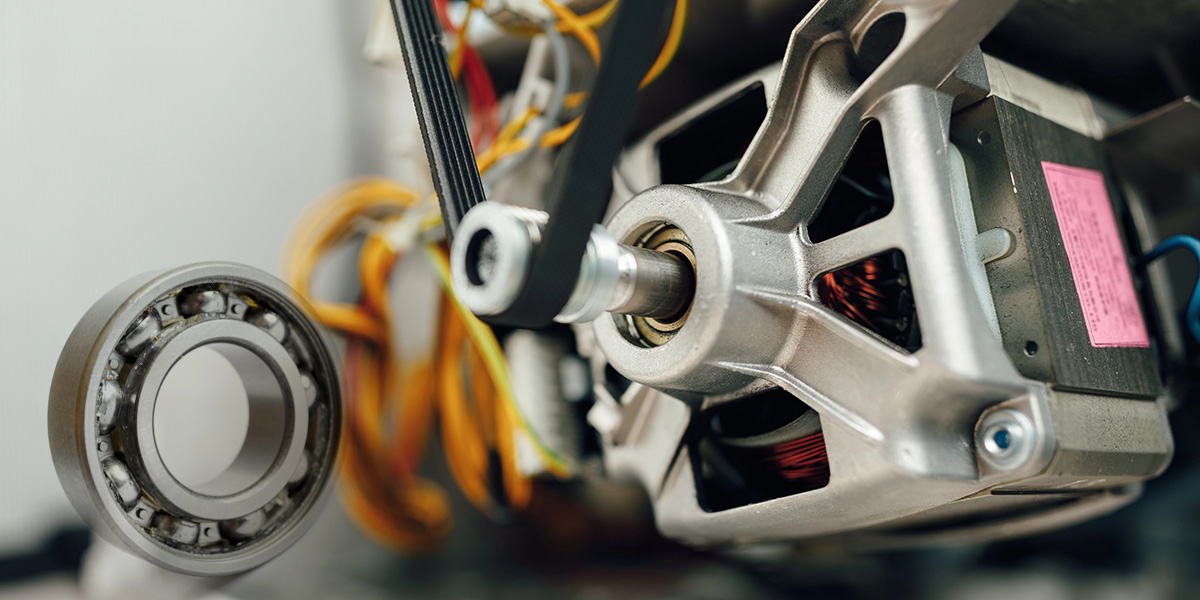
Strange noises coming from your dishwasher while it’s on usually indicate a problem with either the motor, pump, or spray arms.
- Inspect the motor and pump: If you believe that either of these two is causing the strange noises, the best solution is to call a professional. A dishwasher repair technician will know how to fix the problem.
- Check the spray arms: Make sure the spray arms aren’t obstructed by overcrowded dishes or clogged by food particles.
6. Cloudy or Discoloured Glasses or Dishes
The most common reason for cloudy glasses is hard water. You can find out whether this is the case with the vinegar test. Soak a glass in vinegar for five minutes – it should come out clean. The same with dishes that look like they are losing their colour – hard water.
- Use detergents specifically formulated for hard water.
- Add extra rinse to the washing cycle.
7. Burning Smell Coming from the Dishwasher
The most likely reason is that one or more of the heaters has become displaced and is in contact with the surrounding plastic elements, causing the burning smell, or something is wrong with the power cord or socket.
- Turn off the dishwasher immediately.
- Call a dishwasher repairs engineer as soon as possible, preferably straightaway.
Conclusion
Dishwashers are at their peak performance when cleaned and maintained regularly. This would prevent many problems, and ensure your kitchen appliance produces the sparkliest cutlery and crockery. If the issues are technical, it’s best to call in a professional dishwasher repairs engineer.