Why Is My Dishwasher Not Cleaning the Dishes Properly?
If your dishwasher isn't cleaning properly, check for clogged filter, blocked spray arms, or draining issues. Overloading, incorrect detergent, low water temperature, and worn-out or damaged internal components could also be causing the problem.
Why Your Dishwasher is Leaving Dishes Dirty: Quick Fixes
A dishwasher is meant to make life easier, but there are times when the dishes come out looking just as grimy as when they went in. If your dishwasher isn't cleaning properly, you're not alone. Many people have to deal with this issue, and the good news is that most problems have simple fixes.
In this article, we have exposed the common reasons why your dishwasher is not working as it should, and provided expert-backed solutions to get your dishes sparkling clean again.
Common Reasons Your Dishwasher Isn't Cleaning Properly
1. Clogged or Dirty Filter
The dishwasher filter traps food debris that would otherwise get stuck back to your dishes. If it's clogged, water flow is restricted, which leads to poor cleaning performance.
Quick Fix:
- Locate the filter (usually at the bottom of the dishwasher), and remove it.
- Rinse it under warm water and scrub well with a soft brush.
- Put back the filter. We'd suggest that this becomes a monthly routine as it will make sure that your dishwasher is cleaning your dishes properly, provided that there aren't other issues.
2. Blocked Spray Arms
If the spray arms are clogged, they won't be distributing water evenly, preventing the dishwasher from washing the dishes well, leaving leftover food particles and detergent residue on them.
Quick Fix:
- Remove the spray arms and check if their tiny holes are clogged.
- Use a toothpick or a soft brush to clear any debris. Interdental brushes (the ones you clean your teeth with, work best).
- Run hot water through the spray arms before reattaching them. Cleaning them well with limescale removing detergent will also help, especially in areas with hard water, as limescale helps mould growth. Limescale and mould are the usual culprits when it comes to clogged spray arms.
3. Overloading the Dishwasher
While it's tempting to fit as many dishes as possible, overloading prevents water and detergent from reaching all surfaces, which leads to poor cleaning results.
Quick Fix:
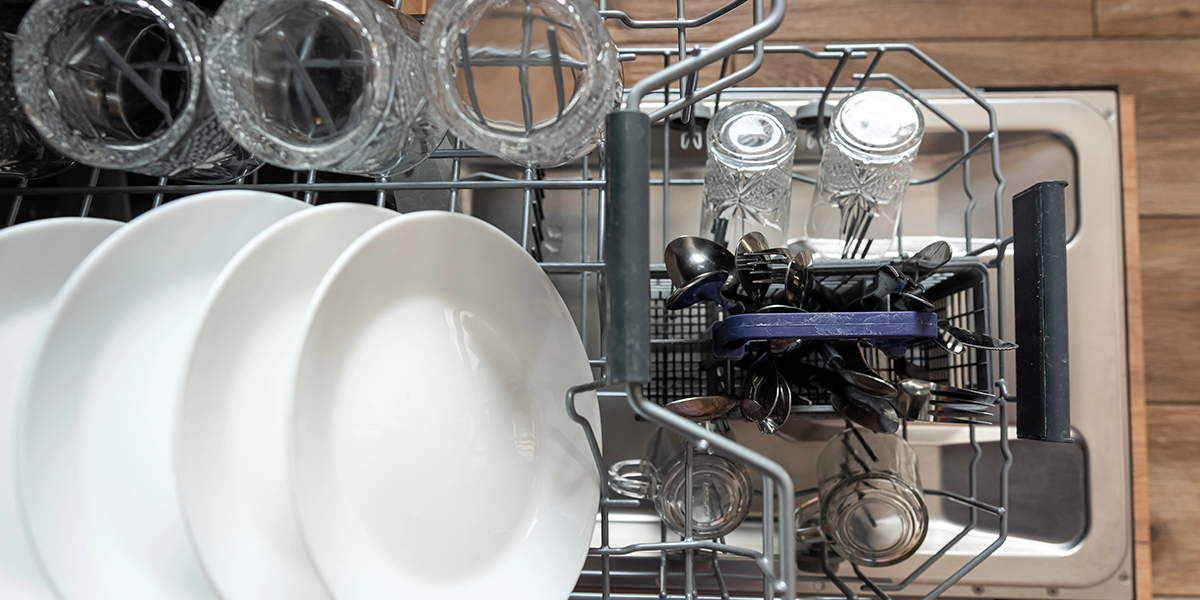
- Load dishes with care, ensuring there's enough space between them for water to circulate.
- Place heavily soiled dishes in direct paths of the spray arms, or in designated areas in dishwashers with customisable wash zones.
4. Using the Wrong Detergent
Unfortunately, not all dishwasher detergents are created equal. Low-quality detergents impact your appliance's performance, as does using too little or too much.
Quick Fix:
- Use a good-quality dishwasher detergent recommended by professionals.
- Do not use hand dishwashing liquid, as it creates excessive suds, and would lead to leaks, clogged arm sprays and other components.
- If you have hard water, make sure to use a water-softening detergent, or add rinse aid.
5. Water Temperature is Too Low
Dishwashers need to use hot water (at least about 50°C) to break down grease and dissolve detergent. If the water is too cold, dishes won't get properly washed.
Quick Fix:
- Run your kitchen sink's hot water for a minute before starting the dishwasher to ensure hot water enters the appliance with the start of the cycle.
- Check your water heater settings and adjust if necessary.
6. Why Use Rinse Aid?
Rinse aid helps water slide off dishes more easily, preventing water spots and residue.
Quick Fix:
- Ensure your rinse aid dispenser is filled.
- Adjust the setting for the drying cycle, if necessary.
When to Call a Professional
If you've tried the above quick-fix solutions and your dishwasher is still leaving dishes dirty, it's time to call a professional dishwasher repair technician. Some serious problems, like motor failure or electronic control board issues, require the attention of an expert.
And Finally
As you can see, it's easy to rectify the issues of a poorly performing dishwasher - in most cases. Make sure to clean and maintain your appliance on a regular basis, use the right detergent – don't forget the rinse aid, and don't overload it.