What are the steps to clean mould from a washing machine?
Learn how to easily clean mould from your washing machine. Identify the problem early, use effective cleaning methods, and establish regular cleaning routine to keep your washing machine fresh, clean, and mould-free for healthy living environment.
If you are reading this article, you are most likely to have noticed mould appearing in the detergent dispenser and/or on the door rubber seal of your washing machine, and your clothes smell and don't feel as clean as they used to after a wash.
Mould in washing machines is a common problem that not only affects the performance of your appliance but also poses health risks. Mould thrives in the warm, damp environment of a washing machine, especially if it's not properly cleaned. We hope this guide will help you identify, remove, and prevent mould from growing in your washing machine, ensuring both your appliance and your health remain in good condition.
Signs of Mould in Your Washing Machine
- Musty Smell: A damp, earthy odour coming from your washing machine or just washed clothes is a clear indicator of mould.
- Visible Growth: Black, green, or grey spots around the rubber seal, detergent drawer, or drum.
- Allergic Reactions: If you or your family members experience inexplicably frequent symptoms like sneezing, itchy eyes, or respiratory issues, mould could be a contributing factor.
Health Risks of Mould
- Allergies: Sneezing, runny nose, and skin rashes, chesty cough.
- Asthma Flare-ups: Mould spores can worsen asthma symptoms.
- Respiratory Issues: Chronic respiratory problems could be developed when in constant contact with mould and fungi spores.
- Weakened Immunity: Certain mould species can produce mycotoxins, which are harmful for people with compromised immune systems.

Removing Mould from Your Washing Machine
Step-by-Step Cleaning Process
- Prepare Your Materials:
- White vinegar
- Baking soda
- Hydrogen peroxide (optional)
- Mould cleaning detergent
- A soft cloth or sponge
- An old toothbrush for scrubbing
- Rubber gloves
- Clean the Rubber Seal (Gasket):
- Pull back the rubber seal to inspect for mould.
- Mix equal parts white vinegar and water in a spray bottle.
- Spray the problematic areas and scrub well with the toothbrush.
- Wipe with a clean cloth and leave the door open to air dry.
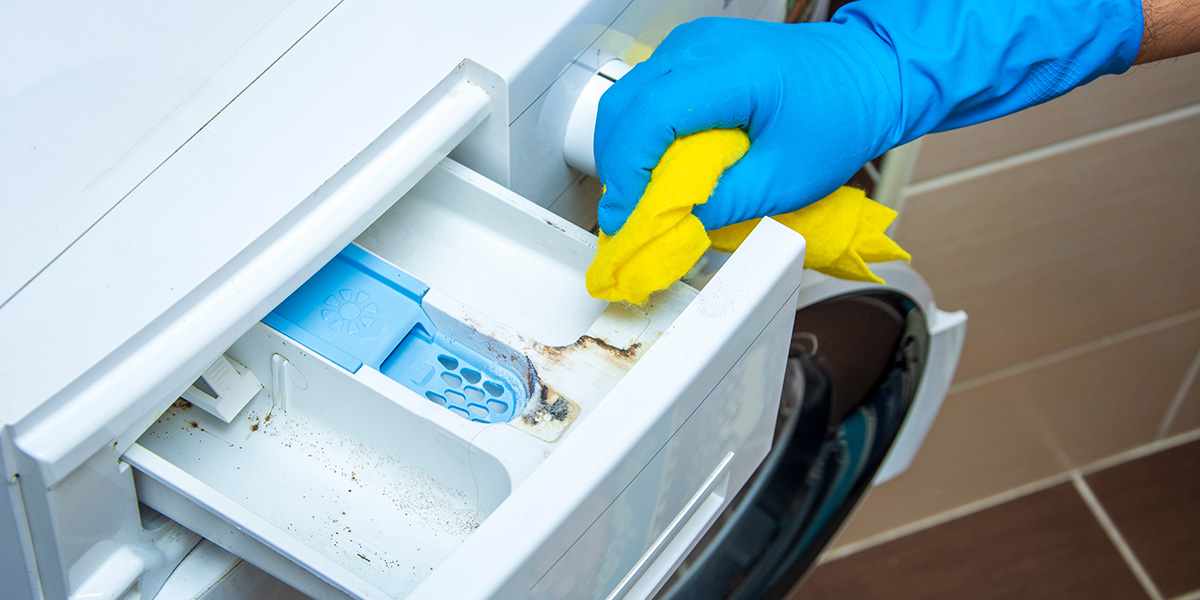
- Clean the Detergent Drawer:
- Remove the detergent drawer and soak it in warm water mixed with vinegar or mould cleaning detergent.
- Use the toothbrush to scrub any mould or residue.
- Rinse thoroughly and dry before reinserting it into the machine.
- For stubborn patches, repeat the procedure, or soak the drawer in a mixture of water and limescale removing detergent, then scrub and rinse. Limescale deposits sometimes allow mould spores to attach more easily, and provide good environment for growth.
- Run a Cleaning Cycle:
- Pour 2 cups of white vinegar directly into the drum.
- Add 1/4 cup of baking soda to the detergent compartment.
- Run the washing machine on the hottest cycle with no laundry inside.
- Take Care of Persistent Mould:
- For stubborn mould, use hydrogen peroxide or a commercial mould remover designed for washing machines.
- Follow the product instructions carefully and make sure the washing machine is then thoroughly rinsed.
- Final Rinse Cycle:
- Run an additional rinse cycle to remove any remaining cleaning agents or loosened mould.

Best Detergents for Preventing Mould
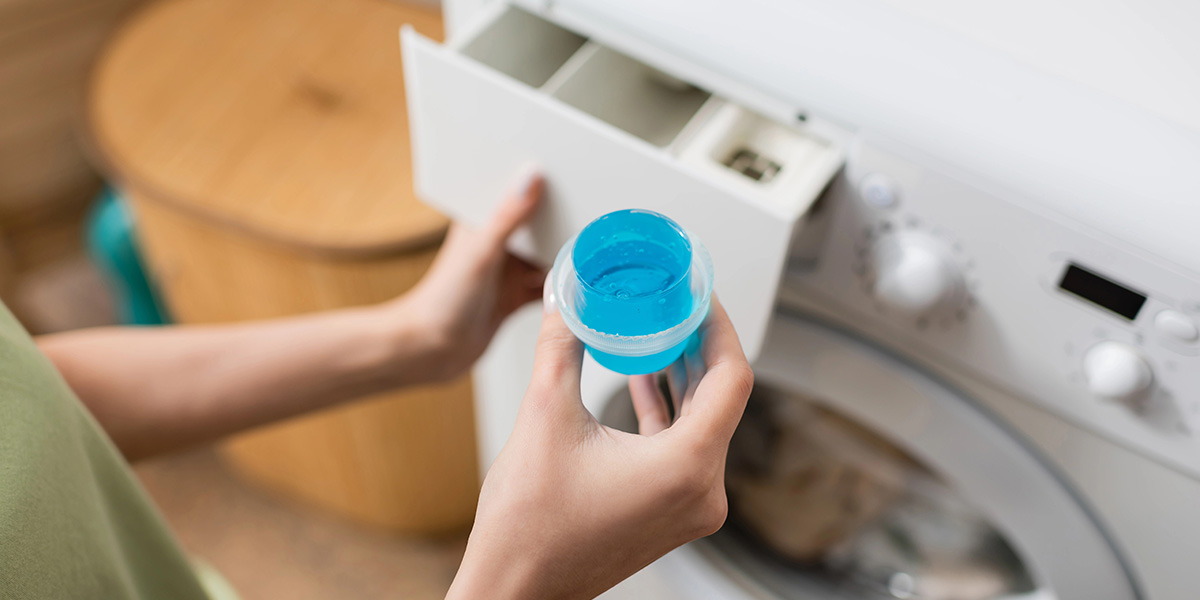
- Liquid Detergents: Use liquid detergents to prevent residue buildup, which could become a breeding ground for mould.
- Mould-Preventing Cleaners: Some detergents include additives to prevent mould growth.
- Don't Use Too Much Cleaning Detergent: Use the recommended amount of detergent to avoid excess suds that leave residue and help mould growth.
Tips and Advice for Maintenance
Follow the manufacturer's advice on how often to deep-clean your washing machine in order for it to remain mould-free, your laundry to smells fresh, and you are not exposed to harmful fungi that may cause health issues.
Preventing Mould
- Leave the Door Open: Although it may not be practical - with integrated washing machines, or possible - with little children, make sure to leave the washing machine door open after each use to allow the drum and seal to dry.
- Dry the Rubber Seal: Use a dry cloth to wipe the door gasket after every wash.
- Clean Regularly: Make sure to run a cleaning cycle once a month using vinegar or a washing machine cleaner. Smart washing machines allow you to set a reminder and receive alert through the app on your phone or another device.
- Use the Right Detergent: Powder detergents can leave residue in the machine, and are best avoided.
- Remove Wet Clothes After Cycle: Don't let laundry linger in the washing machine after the cycle ends.
- Inspect and Replace Seals: Check the rubber gasket for damages and replace it if necessary. Little tears are not visible, and are the perfect place for the mould spores to hide and grow.
Additional Tips
- Clean the Filter: Regularly clean the drain filter to prevent clogs and trapped debris that can support the growth of mould.
- Try to Reduce Moisture: If your washing machine is in a laundry room with poor ventilation, place a humidifier hear the appliance to help reduce humidity.
- Avoid Fabric Softeners: If you would like to, of course. These can leave a film that encourages mould growth.
- Wash Clothes on High Temperature: Where possible, and according to the garments washing label, wash your clothes on high temperature as some fungi can survive even 60°C, or run regular cleaning cycles to kill the spores.
When to Call a Professional
If the mould problem persists despite your cleaning efforts, or if you suspect that mould has built up in the machine's pipes or drum, it's time to call a washinig machine repair professional who can thoroughly clean and inspect your washing machine.
Conclusion
Mould in washing machines is a common but preventable problem. By regularly cleaning and taking care of your appliance, you can avoid mould growth and make sure that everyone in the household lives in a healthy environment.